


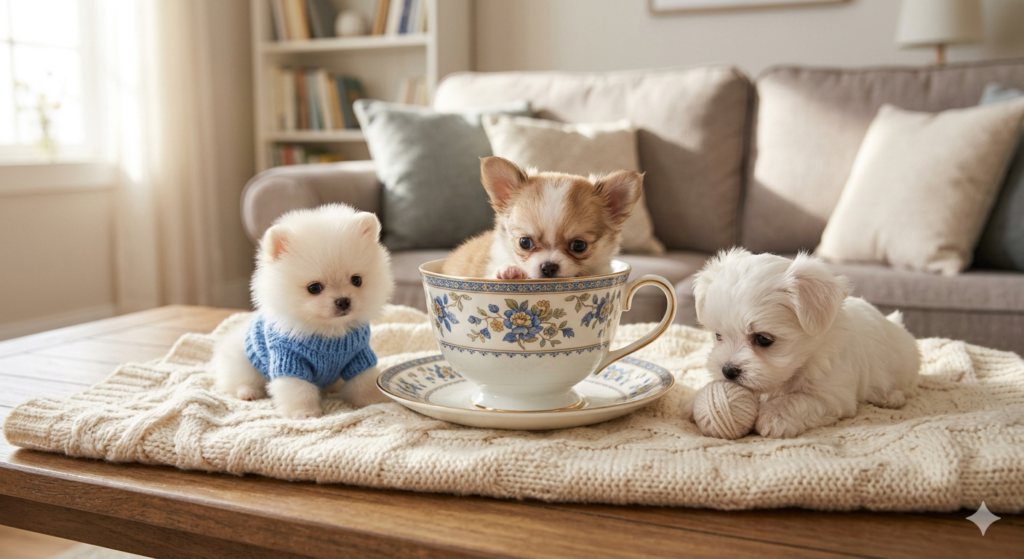
If you’ve ever dreamed of having a dog small enough to fit in your handbag, teacup dogs might have caught your attention. These pint-sized pups are adored for their irresistible looks, compact size, and affectionate nature. But beyond their charm lies a responsibility that every potential owner should understand.
This guide explores what makes these tiny companions so popular, along with important considerations before bringing one home.
What Are Teacup Dogs?
Teacup dogs aren’t a separate breed. Instead, the term refers to extremely small versions of already tiny dog breeds. They are often bred to weigh less than 2–4 pounds when fully grown.
Common breeds associated with this category include:
- Teacup Pomeranian
- Teacup Chihuahua
- Teacup Yorkie (Yorkshire Terrier)
- Teacup Maltese
- Teacup Poodle
Their miniature size is what makes them stand out—but it also comes with unique care requirements.
Why Are They So Popular?
There’s no denying the appeal of these tiny dogs. Their popularity has surged in recent years, especially among city dwellers and pet lovers with limited space.
Here’s why people love them:
- Extremely portable: Easy to carry while traveling
- Apartment-friendly: Ideal for small living spaces
- Adorable appearance: Puppy-like features that last into adulthood
- Low exercise needs: Short play sessions are often enough
- Strong bonding: They tend to form close attachments with their owners
Their cute factor is undeniable, but it’s important not to let appearance be the only deciding factor.
Personality and Temperament
Despite their size, these dogs often have bold and lively personalities. Many behave like much larger dogs trapped in tiny bodies.
You can expect:
- Playfulness: They enjoy interactive toys and attention
- Loyalty: Strong attachment to one or two people
- Alertness: Quick to notice sounds and strangers
- Sensitivity: They can be easily stressed or frightened
Early socialization is key to ensuring they grow into well-adjusted companions.
Health Considerations
This is where things get serious. Due to selective breeding for extremely small size, these dogs are more prone to health issues compared to standard-sized breeds.
Common concerns include:
- Fragile bones: Prone to fractures and injuries
- Low blood sugar (hypoglycemia): Requires frequent feeding
- Heart problems: Often seen in very small dogs
- Dental issues: Crowded teeth can lead to decay
- Short lifespan risks: Poor breeding practices can affect longevity
Regular vet visits and proper care are essential to keep them healthy.
Daily Care Needs
Caring for a teacup dog requires attention to detail and consistency.
Feeding
- Small, frequent meals to maintain blood sugar levels
- High-quality dog food tailored for small breeds
Grooming
- Regular brushing depending on coat type
- Gentle handling to avoid injury
Exercise
- Short indoor play sessions
- Avoid rough play or high jumps
Safety
- Keep them away from larger pets or small children who may accidentally harm them
- Use harnesses instead of collars to protect their neck
Pros and Cons
Before deciding, it’s helpful to weigh both sides.
Pros
- Perfect for small homes and apartments
- Easy to travel with
- Require less food and space
- Extremely affectionate and loving
Cons
- Higher risk of health issues
- Fragile and easily injured
- Can be expensive to purchase and maintain
- Require constant supervision
Being aware of these factors helps you make a responsible decision.
Are They Right for You?
Teacup dogs aren’t suitable for every household. They thrive in calm, controlled environments where they can receive plenty of attention and gentle care.
They may be a good fit if you:
- Live alone or in a quiet home
- Have experience with small or delicate pets
- Can dedicate time for regular care and monitoring
- Prefer a lap dog over an active outdoor companion
They may not be ideal if you have young children or a busy, high-energy household.
Ethical Considerations
It’s important to address how these dogs are bred. Some breeders prioritize size over health, which can lead to serious problems.
When looking for a puppy:
- Choose reputable breeders who focus on health
- Avoid deals that seem too good to be true
- Ask for health records and certifications
- Consider adoption if possible
Responsible choices can help reduce unethical breeding practices.
Final Thoughts
Teacup dogs may be small in size, but they come with big responsibilities. Their charm, loyalty, and compact nature make them wonderful companions for the right owner. However, their delicate health and specific care needs mean they require more attention than many people expect.
If you’re prepared to provide a safe, loving, and attentive environment, these tiny companions can bring immense joy into your life. Just remember—choosing a pet should always be about more than looks. It’s about commitment, care, and creating a happy life together.