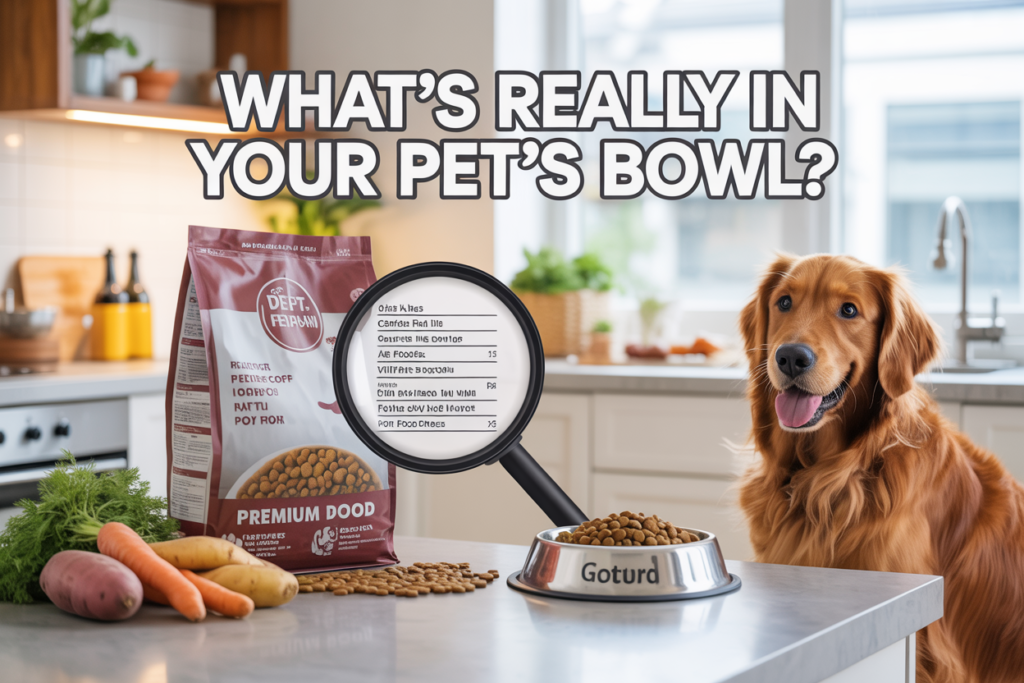
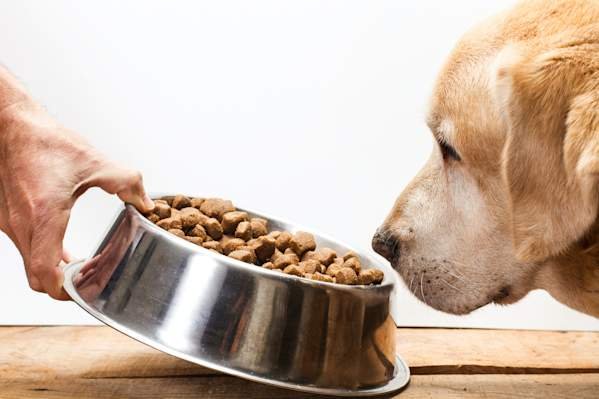

When we think about pet nutrition, we often focus on what goes into the bowl—ingredients, brands, protein percentages, and feeding portions. But true health isn’t shaped by food alone. What happens inside the body, at the biochemical level, plays an equally important role.
The real story of vitality, immunity, and longevity begins not in the bowl, but in the biochemistry of life.
Understanding the Biochemistry of Life
Biochemistry refers to the chemical processes that occur within living organisms. In pets, these processes control everything from digestion and energy production to immune response and brain function.
Food is only the starting point. What truly matters is how the body:
-
Breaks nutrients down
-
Absorbs them
-
Converts them into energy
-
Uses them to repair and protect cells
This internal process determines whether your pet merely eats—or truly thrives.
Nutrition vs. Nutrient Utilization
Two pets can eat the same food and experience very different health outcomes. Why? Because nutrient absorption and metabolic efficiency vary from one animal to another.
Factors that influence this include:
-
Gut health and microbiome balance
-
Enzyme production
-
Stress levels
-
Age and genetics
-
Hormonal balance
This explains why a “high-quality” diet doesn’t always guarantee optimal health on its own.
The Role of the Gut Microbiome
One of the most important biochemical systems in your pet’s body is the gut microbiome. Trillions of beneficial bacteria help:
-
Digest nutrients
-
Produce vitamins
-
Support immunity
-
Reduce inflammation
When gut balance is disrupted, nutrients may pass through the body without being properly used—no matter how good the food looks on the label.
Energy Is a Biochemical Process
Energy doesn’t come directly from food—it comes from cellular metabolism. Through complex biochemical reactions, nutrients are converted into ATP, the body’s usable energy source.
If these pathways are inefficient due to inflammation, deficiencies, or stress, pets may show signs like:
-
Low energy
-
Poor coat condition
-
Weak immunity
-
Slow recovery from illness
Again, the issue isn’t just the bowl—it’s what happens after.
Inflammation and Oxidative Stress
Modern pets face more than dietary challenges. Environmental toxins, poor sleep, lack of exercise, and chronic stress all affect biochemical balance.
Long-term inflammation and oxidative stress can:
-
Damage cells
-
Disrupt metabolism
-
Accelerate aging
-
Contribute to chronic disease
Supporting biochemical health means supporting the whole lifestyle—not just feeding time.
Supporting the Biochem of Life
To support your pet beyond the bowl:
-
Choose easily digestible, high-quality foods
-
Support gut health with fiber and probiotics (vet-approved)
-
Encourage regular physical activity
-
Reduce stress through routine and enrichment
-
Schedule regular veterinary checkups
These steps help the body use nutrients efficiently and maintain internal balance.
Why This Perspective Matters
Focusing only on food can overlook deeper issues. Health is not just about what your pet eats, but how their body processes, adapts, and responds at the cellular level.
Understanding the biochemistry of life allows pet owners to make smarter, more compassionate decisions—supporting long-term wellness rather than short-term fixes.
Final Thoughts
The bowl matters—but it’s only the beginning.
True pet health is shaped by the invisible processes happening inside the body every second of every day. When we look beyond ingredients and focus on the biochem of life, we gain a deeper understanding of what our pets really need to live healthier, happier lives.