

Your pet’s health starts with what’s in their food bowl, but reading pet food labels can feel like decoding a foreign language. This guide is for pet parents who want to make informed choices about their furry family members’ nutrition without getting overwhelmed by marketing claims or confusing ingredient lists.
You’ll learn how to spot ingredients hiding in plain sight on pet food labels and discover which nutrients your dog or cat truly needs to thrive. We’ll also explore different food types—from kibble to raw diets—so you can find the best fit for your pet’s specific needs and your budget.
Stop guessing about your pet’s nutrition and start feeding with confidence.
Decode Your Pet Food Label Like a Pro
Identify misleading marketing terms that fool pet owners
Pet food companies love using fancy buzzwords that make their products sound healthier than they actually are. “Natural” appears on countless bags, but this term has almost no legal meaning in pet food regulation. A product can contain synthetic vitamins, artificial colors, and chemical preservatives while still claiming to be “natural.”
“Premium” and “gourmet” are pure marketing fluff with zero nutritional requirements behind them. These words don’t guarantee higher quality ingredients or better nutrition for your pet. The same goes for “holistic” – another unregulated term that sounds impressive but means absolutely nothing.
“Complete and balanced” sounds reassuring, but this only means the food meets minimum nutritional standards set by AAFCO (Association of American Feed Control Officials). Think of it like getting a D+ on a test – technically passing, but hardly excellent.
Watch out for “made with real chicken” versus “chicken dog food.” The first phrase means chicken could be a tiny percentage of the recipe, while the second indicates chicken should be the primary ingredient. “Flavor” at the end of any ingredient name is a red flag – “beef flavor” means no actual beef is required, just something that tastes like it.
Understand the ingredient order and what it reveals
Ingredients are listed by weight before processing, which tells you exactly what makes up most of your pet’s food. The first five ingredients typically represent about 80% of the product, so these matter most for your pet’s daily nutrition.
If the first ingredient is a named meat like “deboned chicken” or “salmon,” that’s promising. However, be aware that fresh meats contain about 75% water, so once processed, that chicken might actually represent less protein than you’d expect.
Meat meals like “chicken meal” or “fish meal” are actually more concentrated protein sources since the water has already been removed. Don’t automatically assume fresh meat is better than meal – both can be high-quality protein sources when sourced properly.
Multiple grain sources listed separately can be deceiving. If you see “rice,” “rice bran,” “rice flour,” and “brewers rice” all in the top ingredients, the manufacturer might be “ingredient splitting” to make grains appear lower on the list while collectively representing the main component.
Generic terms like “meat meal,” “poultry meal,” or “animal fat” without specifying the source are concerning. Quality foods name their protein sources specifically.
Spot artificial preservatives and harmful additives
Chemical preservatives keep pet food shelf-stable, but some are worth avoiding. BHA, BHT, and ethoxyquin have been linked to health concerns in studies, though they’re still considered “safe” by regulatory standards. These synthetic preservatives can accumulate in your pet’s system over time.
Natural preservatives like tocopherols (vitamin E), ascorbic acid (vitamin C), and rosemary extract work just as well for preservation without the potential health risks. Foods using natural preservatives typically have shorter shelf lives, which actually indicates fresher ingredients.
Artificial colors like Red Dye #40, Blue #2, and Yellow #5 serve no nutritional purpose – they’re added purely to make food more appealing to humans, not pets. Your dog doesn’t care if their kibble is brown or rainbow-colored, but these dyes can trigger allergic reactions in sensitive animals.
Propylene glycol appears in some semi-moist pet foods as a texture enhancer. While generally recognized as safe in small amounts, it’s the same stuff used in antifreeze and provides no nutritional benefit to your pet.
Recognize quality protein sources versus fillers
High-quality proteins come from identifiable animal sources with clear names. “Chicken,” “turkey,” “salmon,” and “beef” tell you exactly what animal provided the protein. These whole proteins contain complete amino acid profiles that dogs and cats need for muscle development and maintenance.
Meat by-products aren’t automatically bad – they include organs like liver, kidneys, and heart, which are actually nutrient-dense. However, “poultry by-products” or “meat by-products” without naming the specific animal source are less desirable because you don’t know what you’re getting.
Plant proteins like corn gluten meal, wheat gluten, and soy protein concentrate are incomplete proteins for dogs and cats. While they boost the protein percentage on the guaranteed analysis, they don’t provide the same biological value as animal proteins.
| Quality Proteins | Questionable Proteins | Fillers to Limit |
| Named meats (chicken, beef) | Generic “meat meal” | Corn gluten meal |
| Specific meat meals | Poultry by-products | Wheat middlings |
| Fish (salmon, whitefish) | Animal digest | Rice hulls |
| Organs (liver, heart) | Protein concentrates | Peanut hulls |
Excessive amounts of corn, wheat, and rice as primary ingredients suggest a grain-heavy formula that might not provide optimal nutrition for carnivorous pets. While these aren’t harmful, they’re often used as inexpensive protein boosters rather than quality nutrition sources.
Hidden Ingredients That Could Harm Your Pet
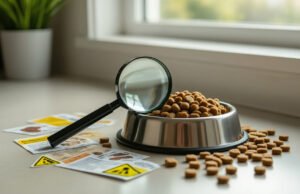
Common allergens lurking in popular pet food brands
Many pet owners don’t realize that their furry friends can suffer from food allergies just like humans do. Beef, chicken, dairy, eggs, corn, wheat, and soy rank among the most common culprits causing digestive upset, skin irritation, and chronic ear infections in pets. What makes this tricky is that these ingredients often appear in multiple forms throughout the same product.
Take corn, for example. You might spot it listed as corn meal, corn gluten meal, ground corn, or corn syrup. Wheat can hide behind names like wheat flour, wheat bran, or wheat middlings. Even if you think you’re avoiding chicken by choosing a “lamb and rice” formula, chicken fat or chicken meal might still be lurking in the ingredient list.
Dairy products frequently sneak into pet foods as whey, casein, or lactose, which can spell trouble for lactose-intolerant pets. Eggs might appear as dried egg product or egg whites. The challenge grows when manufacturers use generic terms like “poultry meal” or “meat meal,” which could contain multiple protein sources your pet might be sensitive to.
Some popular brands market “limited ingredient” diets but still include common allergens. Always check the full ingredient panel rather than relying solely on the front-of-package claims.
Toxic chemicals and their disguised names
Pet food manufacturers use various chemicals that sound harmless but can pose serious health risks over time. BHA (butylated hydroxyanisole), BHT (butylated hydroxytoluene), and ethoxyquin serve as preservatives but have been linked to liver damage and cancer in laboratory studies. These chemicals often appear near the end of ingredient lists, making them easy to overlook.
Propylene glycol, commonly found in semi-moist pet foods, helps maintain texture but can cause red blood cell damage in cats. You might also encounter it listed simply as “humectant” on some labels. Sodium metabisulfite, another preservative, can trigger allergic reactions and respiratory problems in sensitive pets.
Food dyes like Blue 2, Red 40, and Yellow 5 serve no nutritional purpose and may contribute to behavioral issues and allergic reactions. These artificial colors appear in many colorful kibbles and treats that appeal more to pet owners than pets themselves.
Carrageenan, derived from seaweed, acts as a thickener in wet foods but has been associated with digestive inflammation. MSG (monosodium glutamate) might be listed as “natural flavor” or “yeast extract,” potentially causing neurological issues in some animals.
Low-quality meat by-products you should avoid
Not all meat in pet food comes from the same sources, and understanding the difference can protect your pet’s health. “Meat by-products” typically include organs, bones, and other animal parts that aren’t muscle meat. While some organs like liver provide excellent nutrition, the term “by-products” offers no guarantee of quality or consistency.
“Meat meal” and “poultry meal” sound nutritious, but these rendered products can include diseased animals, roadkill, or euthanized pets from shelters. The rendering process involves cooking these materials at high temperatures, which destroys many nutrients while concentrating toxins and medications that might have been present in the original animals.
Watch out for vague terms like “animal fat,” “meat and bone meal,” or “poultry by-product meal.” These generic descriptions could contain virtually any animal source and often indicate the cheapest available options. “4-D meat” (dead, diseased, disabled, or dying animals) sometimes finds its way into these low-grade meals.
Quality pet foods specify their protein sources clearly, such as “deboned chicken,” “salmon meal,” or “beef liver.” These named ingredients tell you exactly what your pet is eating and come from animals deemed fit for consumption. The difference in quality becomes apparent when you compare the energy levels, coat condition, and overall health of pets eating whole-food diets versus those consuming by-product-heavy formulations.
Essential Nutrients Your Pet Actually Needs
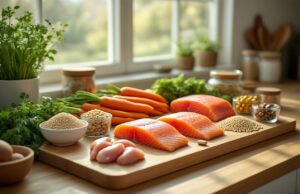
Complete protein requirements for optimal health
Your pet’s body can’t function without adequate protein. Dogs need at least 18% protein in their diet, while cats require a minimum of 26% due to their carnivorous nature. But the percentage alone doesn’t tell the whole story – quality matters just as much as quantity.
Complete proteins contain all essential amino acids your pet can’t produce on their own. Animal-based proteins like chicken, fish, and beef naturally provide complete amino acid profiles. Plant proteins often lack certain amino acids, which is why meat should form the foundation of your pet’s diet.
Look for named protein sources on ingredient labels rather than vague terms like “meat meal” or “poultry by-product.” Fresh chicken, salmon, or lamb tells you exactly what your pet is eating. Protein should appear as the first ingredient, indicating it makes up the largest portion of the food.
Active dogs and growing puppies need more protein than sedentary adult pets. Senior animals often benefit from easily digestible proteins to support aging muscles and organs.
Vital vitamins and minerals for different life stages
Your pet’s vitamin and mineral needs change dramatically throughout their life. Puppies and kittens require higher levels of calcium and phosphorus to support bone development, while senior pets need antioxidants like vitamins C and E to combat age-related cellular damage.
| Life Stage | Key Nutrients | Purpose |
| Puppy/Kitten | Calcium, Phosphorus, DHA | Bone growth, brain development |
| Adult | B vitamins, Zinc, Iron | Energy metabolism, immune function |
| Senior | Antioxidants, Glucosamine | Joint health, cognitive support |
Vitamin deficiencies show up in obvious ways. Dull coats often signal insufficient B vitamins or zinc. Poor wound healing might indicate vitamin C deficiency. Excessive shedding can point to inadequate omega fatty acids.
Don’t assume more is better with vitamins. Fat-soluble vitamins (A, D, E, K) can reach toxic levels if oversupplemented. Water-soluble vitamins like B-complex are safer but still unnecessary in excessive amounts when feeding a balanced diet.
Healthy fats that boost coat and brain function
Fats do much more than add calories to your pet’s diet. Omega-3 fatty acids from fish oil support brain development in young animals and cognitive function in seniors. These same fats reduce inflammation throughout the body and create that glossy coat every pet owner wants.
Your pet needs both omega-3 and omega-6 fatty acids, but most commercial foods already contain plenty of omega-6s from plant oils. The magic happens when you add omega-3s from sources like salmon oil, sardines, or flaxseed.
Fat should make up 8-15% of your adult dog’s diet and 9% minimum for cats. Puppies and kittens need higher fat levels to fuel their rapid growth and development.
Choose foods that specify the fat source. “Chicken fat” or “salmon oil” tells you more than generic “animal fat.” Fresh fats provide better nutrition than rendered versions that have been processed at high temperatures.
Fiber sources that aid digestion
Fiber keeps your pet’s digestive system running smoothly, but not all fiber works the same way. Soluble fiber from sources like pumpkin and sweet potato feeds beneficial gut bacteria and helps regulate blood sugar. Insoluble fiber from vegetables adds bulk to stool and promotes regular bowel movements.
Dogs benefit from 2-4% fiber in their diet, while cats need slightly less at 1-3%. Too much fiber can interfere with nutrient absorption, while too little leads to digestive issues and poor stool quality.
Natural fiber sources beat artificial additives every time. Whole vegetables, fruits, and grains provide fiber along with additional vitamins and minerals. Beet pulp, despite its bad reputation, actually serves as an excellent fiber source that most dogs digest well.
Watch your pet’s response to different fiber types. Some animals thrive on higher fiber diets, while others do better with minimal amounts. Gradual changes help you identify what works best for your individual pet’s digestive system.
Choose the Right Food Type for Your Pet’s Needs

Wet versus dry food benefits and drawbacks
Wet food packs more moisture, making it perfect for cats who barely touch their water bowls or dogs recovering from illness. The higher protein content and fewer carbohydrates often make wet food the winner for weight management. Your pet will feel fuller on fewer calories, and the rich aroma gets even picky eaters excited about mealtime.
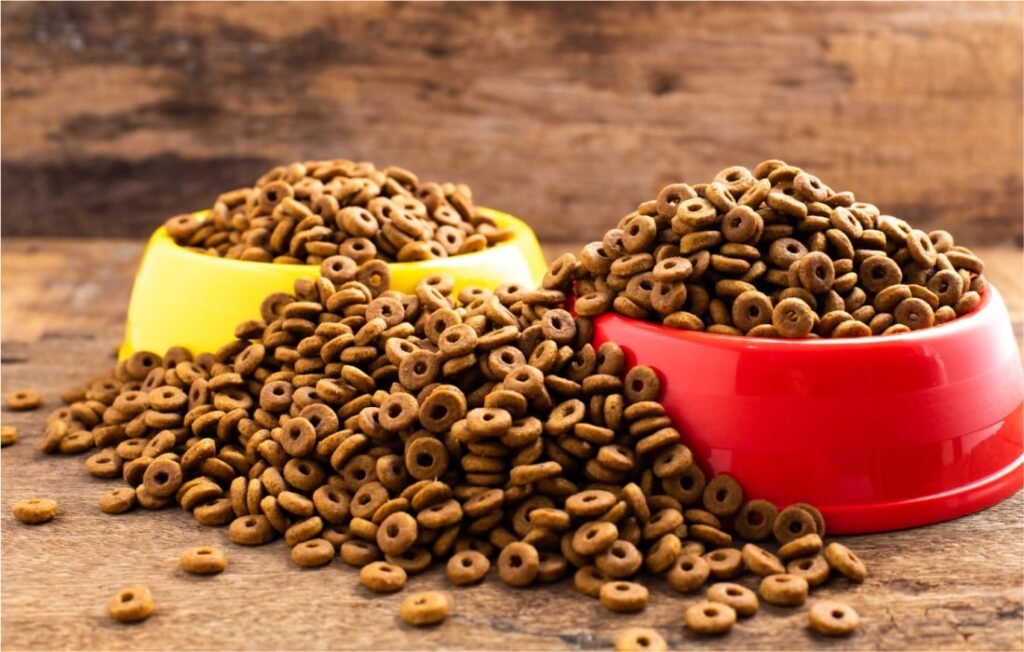
Dry kibble wins the convenience battle hands down. You can leave it out longer without spoiling, it costs less per serving, and those crunchy textures help scrape plaque off teeth. Storage becomes a breeze when you’re buying in bulk, and traveling with dry food eliminates messy spills in your car.
The downside? Wet food spoils quickly once opened and costs significantly more over time. Dry food often contains more fillers and carbohydrates that some pets struggle to digest properly. Many commercial dry foods also lack the moisture content that supports kidney and urinary tract health.
Raw diet considerations and safety guidelines
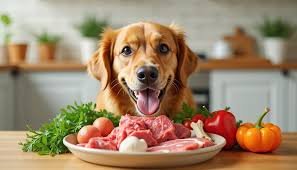
Raw feeding can transform your pet’s coat, energy levels, and digestive health when done correctly. Fresh, unprocessed ingredients provide enzymes and nutrients that cooking destroys. Many pet owners report smaller, less odorous stools and cleaner teeth after switching to raw.
Safety becomes your top priority with raw diets. Source meat from reputable suppliers who test for harmful bacteria like salmonella and E. coli. Freeze raw meat for at least 72 hours before serving to kill potential parasites. Clean all surfaces, bowls, and utensils with bleach solution after each feeding.
Balance requires careful planning. A raw diet needs proper ratios of muscle meat, organ meat, and bones to provide complete nutrition. Consult a veterinary nutritionist before starting, especially for puppies, pregnant pets, or animals with compromised immune systems. Never feed cooked bones, which can splinter and cause internal damage.
Grain-free options and when they make sense
True grain allergies affect fewer pets than marketing suggests. Most food sensitivities involve proteins like chicken, beef, or dairy rather than grains. Wheat, rice, and oats provide valuable nutrients and energy for active pets.
Grain-free foods make sense for pets with diagnosed grain allergies or those with chronic digestive issues that improve after eliminating grains. Some pets with inflammatory bowel disease respond better to grain-free formulas with limited ingredients.
Watch out for grain-free foods that replace grains with potatoes, peas, or lentils in high quantities. The FDA has investigated potential links between certain grain-free diets and heart disease in dogs, particularly those heavy in legumes and potatoes. Sweet potatoes and tapioca often provide better alternatives when grain-free feeding becomes necessary.
Special dietary needs for senior pets
Senior pets need fewer calories but more high-quality protein to maintain muscle mass. Their slower metabolisms mean portion control becomes critical for preventing obesity-related health problems. Look for foods with easily digestible proteins like fish or chicken meal rather than by-products.
Joint support ingredients like glucosamine and chondroitin help aging pets maintain mobility. Omega-3 fatty acids from fish oil reduce inflammation and support brain function. Many senior formulas include antioxidants to combat cellular damage from aging.
Kidney function often declines with age, making phosphorus restriction important for some senior pets. Your veterinarian can run blood tests to determine if your older pet needs a prescription kidney diet. Senior pets also benefit from smaller, more frequent meals to aid digestion and nutrient absorption.
Prescription diets and their proper use
Prescription diets target specific medical conditions with precise nutrient profiles that regular pet foods can’t achieve. Kidney diets restrict phosphorus and protein while maintaining quality nutrition. Urinary diets control mineral content to prevent crystal formation and dissolve existing stones.
Only feed prescription diets under veterinary supervision. These formulas can cause nutritional imbalances in healthy pets or those with different medical conditions. Regular monitoring through blood tests and check-ups ensures the diet remains appropriate as your pet’s condition changes.
Prescription diets work best when fed exclusively. Mixing with regular treats or foods can negate the therapeutic benefits. Your vet can recommend appropriate treats that won’t interfere with the prescription diet’s effectiveness. Many pets adapt to prescription diets within a few weeks, especially when transitioned gradually.
Budget-Friendly Ways to Upgrade Your Pet’s Nutrition

High-quality brands that won’t break your budget
Several premium pet food brands offer excellent nutrition without the luxury price tag. Purina Pro Plan consistently ranks among veterinary nutritionists’ top recommendations while staying under $2 per pound for dry food. Hill’s Science Diet provides clinically proven nutrition at competitive prices, especially when purchased in larger bags.
Costco’s Kirkland Signature brand deserves special mention – manufactured by Diamond Pet Foods using high-quality ingredients at warehouse prices. Their adult dog formula costs roughly 40% less than comparable premium brands while meeting AAFCO nutritional standards.
Regional brands often provide better value than national marketing-heavy companies. Blue Buffalo’s Life Protection line offers quality ingredients at mid-range prices, while Taste of the Wild delivers grain-free options without the boutique markup.
Watch for seasonal sales at farm supply stores like Tractor Supply or Fleet Farm, where premium brands regularly go 20-30% off retail prices. Online retailers like Chewy frequently offer auto-ship discounts that make premium foods more affordable than grocery store kibble.
Smart shopping strategies for premium pet food
Buying in bulk dramatically reduces per-pound costs, but only purchase what your pet can consume within 6-8 weeks to maintain freshness. Split large bags with friends or neighbors who have similar-sized pets.
Subscribe-and-save programs through Amazon or Chewy provide 5-15% discounts plus convenient delivery. These services also help you avoid impulse purchases during store visits.
Generic prescription diets from online pharmacies cost 30-50% less than veterinary clinic prices. Websites like 1-800-PetMeds or PetCareRx offer the same therapeutic formulas with significant savings.
Price-match policies at major pet retailers work in your favor. Petco and PetSmart will match competitor prices, including online retailers, letting you get the best deals while shopping locally.
Stock up during Black Friday and end-of-year clearance sales when many brands offer their deepest discounts. Pet specialty stores often clear inventory in January, providing excellent opportunities for premium food deals.
Homemade additions that boost nutritional value
Simple, budget-friendly additions can transform basic kibble into nutritionally superior meals. Canned pumpkin (not pie filling) adds fiber, vitamins, and moisture for under $1 per can. A tablespoon mixed into dry food aids digestion and provides beta-carotene.
Bone broth made from chicken or beef bones creates a nutrient-dense liquid that makes dry food more appealing while adding collagen and minerals. Simmer bones for 12-24 hours, strain, and freeze in ice cube trays for easy portioning.
Scrambled eggs once or twice weekly provide high-quality protein and essential fatty acids. One egg per 20 pounds of body weight makes an appropriate serving size and costs pennies per meal.
Plain Greek yogurt introduces beneficial probiotics that support digestive health. Choose unsweetened varieties and limit portions to avoid stomach upset – a tablespoon for small dogs, up to 1/4 cup for large breeds.
Fresh vegetables like carrots, green beans, and sweet potatoes add vitamins and fiber while keeping costs minimal. Steam or lightly cook vegetables for better digestibility, and introduce new foods gradually to avoid digestive issues.
Sardines packed in water provide omega-3 fatty acids that support coat health and joint function. One small sardine per 20 pounds of body weight, offered 2-3 times weekly, delivers significant nutritional benefits for minimal cost.
Conclusion
Reading pet food labels doesn’t have to feel like solving a puzzle anymore. You now know how to spot harmful fillers, artificial additives, and mystery ingredients that could be making your furry friend sick. Real meat should top the ingredient list, not corn meal or vague terms like “meat by-products.” Your pet needs quality protein, healthy fats, and the right vitamins – not a bunch of cheap filler that just takes up space in their bowl.
Making the switch to better nutrition doesn’t mean breaking the bank either. Start small by mixing higher-quality food with what you’re currently feeding, or try adding fresh ingredients like plain chicken or sweet potato to boost the nutritional value. Your pet’s energy levels, coat shine, and overall health will thank you for taking the time to really understand what goes into their daily meals. Pick one thing from this guide and try it this week – your four-legged family member deserves food that actually nourishes them.