


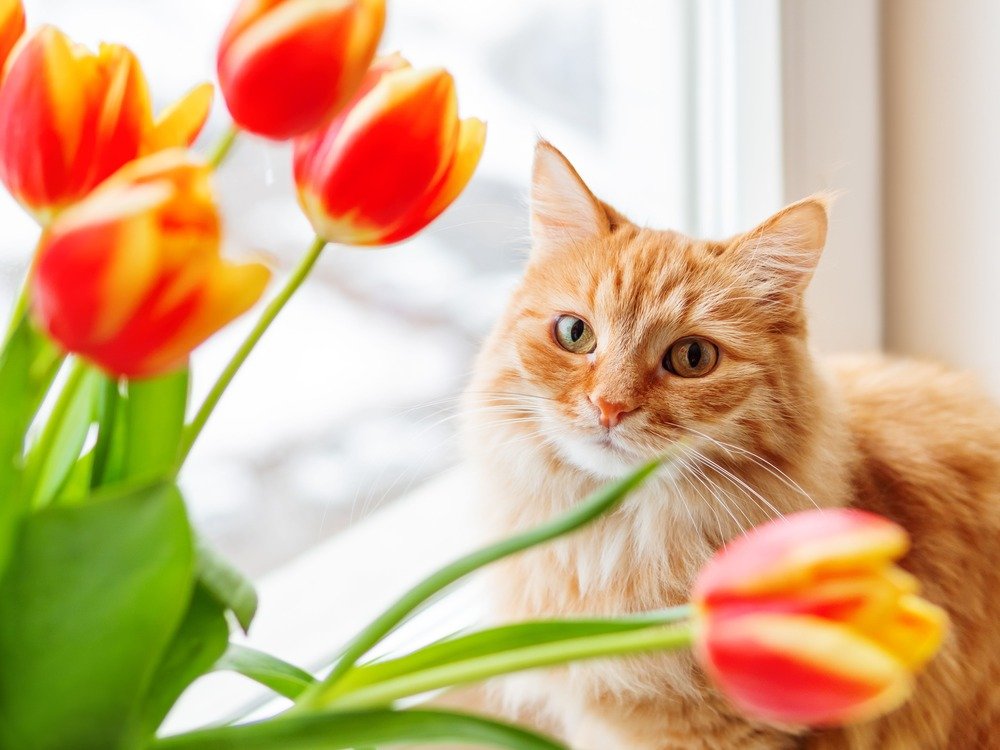
Flowers can brighten up any home, but if you share your space with a feline friend, some plants may pose a serious risk. Many popular houseplants and bouquet flowers are flowers toxic to cats, and even small exposure can cause health problems.
Cats are naturally curious animals. They often sniff, chew, or play with plants, which can lead to accidental poisoning. Knowing which flowers are harmful can help you create a safer environment for your pet.
In this guide, we’ll explore common toxic flowers, symptoms of plant poisoning in cats, and tips to keep your furry companion safe.
Why Some Flowers Are Dangerous for Cats
Certain flowers contain natural chemicals that can be harmful when ingested by cats. These toxins may affect different parts of the body, including the digestive system, kidneys, or nervous system.
Cats may be exposed to plant toxins in several ways:
- Chewing leaves or petals
- Drinking water from a flower vase
- Grooming pollen off their fur
- Playing with fallen plant parts
Even a small amount of some plants can lead to severe health issues, so awareness is extremely important.
10 Common Flowers Toxic to Cats
Here are some flowers frequently found in homes and gardens that cat owners should avoid.
1. Lilies
Lilies are among the most dangerous plants for cats.
Risks include:
- Severe kidney failure
- Vomiting and loss of appetite
- Lethargy within hours of exposure
Even pollen or water from a lily vase can be toxic.
2. Tulips
Tulips contain compounds that can irritate a cat’s digestive system.
Possible symptoms:
- Drooling
- Vomiting
- Diarrhea
The bulb contains the highest concentration of toxins.
3. Daffodils
Daffodils are common spring flowers but can be harmful to pets.
Signs of poisoning may include:
- Stomach upset
- Trembling
- Irregular heart rate
The bulb is the most toxic part of the plant.
4. Chrysanthemums
These popular decorative flowers contain natural insecticides called pyrethrins.
Cats exposed to them may experience:
- Drooling
- Vomiting
- Skin irritation
- Loss of coordination
5. Hyacinths
Hyacinths are fragrant flowers that can cause digestive irritation in cats.
Common reactions include:
- Nausea
- Drooling
- Vomiting
As with many plants, the bulbs carry the highest toxin levels.
6. Azaleas
Azaleas contain grayanotoxins that affect the heart and nervous system.
Symptoms may include:
- Weakness
- Low blood pressure
- Vomiting
- Difficulty walking
7. Oleander
Oleander is extremely toxic for many animals, including cats.
Possible effects include:
- Heart rhythm problems
- Severe digestive upset
- Tremors
Even small amounts can be dangerous.
8. Amaryllis
Amaryllis flowers are often used as holiday decorations.
Ingestion can lead to:
- Vomiting
- Abdominal pain
- Drooling
- Loss of appetite
9. Carnations
While not as dangerous as some other plants, carnations can still irritate cats.
Symptoms may include:
- Mild vomiting
- Skin irritation
- Digestive discomfort
10. Autumn Crocus
Autumn crocus is extremely toxic and can cause serious illness.
Signs of poisoning may include:
- Severe vomiting
- Organ damage
- Breathing problems
Immediate veterinary care is necessary if exposure occurs.
Signs Your Cat May Have Eaten a Toxic Flower
If your cat comes into contact with a harmful plant, symptoms may appear quickly or develop over several hours.
Watch for these warning signs:
- Vomiting or diarrhea
- Excessive drooling
- Loss of appetite
- Lethargy or weakness
- Difficulty breathing
- Tremors or seizures
If you notice any unusual behavior and suspect plant ingestion, contact a veterinarian immediately.
What to Do If Your Cat Eats a Toxic Plant
Quick action can make a big difference in your cat’s recovery.
Follow these steps:
- Remove any remaining plant material from your cat’s mouth
- Keep your cat calm and prevent further exposure
- Identify the plant if possible
- Call your veterinarian or an emergency animal clinic
Avoid trying home remedies unless directed by a professional.
Safer Flower Alternatives for Cat Owners
You don’t have to give up flowers completely. Some plants are considered safer for households with cats.
Pet-friendly options include:
- Roses
- Sunflowers
- Orchids
- Snapdragons
- Zinnias
Even with safe plants, it’s still best to keep them out of your cat’s reach whenever possible.
Tips to Keep Cats Away from Plants
Preventing access to harmful flowers is the best way to protect your pet.
Helpful strategies include:
- Placing plants on high shelves or hanging baskets
- Using pet-safe deterrent sprays
- Providing cat grass as a safe chewing option
- Supervising curious cats around new plants
Creating a pet-friendly home environment reduces the risk of accidental poisoning.
Final Thoughts
Many common household plants are flowers toxic to cats, and even a small amount can cause serious health problems. By learning which flowers to avoid and recognizing the symptoms of plant poisoning, you can protect your cat from unnecessary danger.
When bringing flowers into your home, always check whether they are safe for pets. A little awareness goes a long way in keeping your feline companion healthy, happy, and safe.