



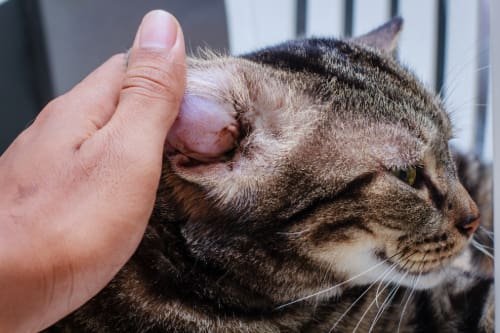
Ear problems can make cats extremely uncomfortable. If your cat keeps scratching their ears, shaking their head, or showing signs of irritation, an ear infection in cats could be the reason. While these infections are not as common in cats as they are in dogs, they can still occur and require proper care.
Understanding the causes, symptoms, and treatment options can help you act quickly and protect your cat’s health. In this guide, we’ll cover everything cat owners need to know about ear infections and how to manage them effectively.
What Is an Ear Infection in Cats?
An ear infection occurs when bacteria, yeast, parasites, or inflammation affect the ear canal. Cats have sensitive ears, and when something disrupts their natural balance, it can lead to irritation and infection.
Most infections occur in the outer ear canal, but in severe cases, they can spread deeper and affect hearing or balance.
Common Symptoms of Ear Infection in Cats
Cats are very good at hiding discomfort, so it’s important to notice subtle changes in behavior.
Watch for these common signs:
- Frequent scratching or pawing at the ears
- Head shaking or tilting
- Redness or swelling inside the ear
- Dark brown, yellow, or black ear discharge
- Strong or unpleasant ear odor
- Sensitivity when the ear is touched
- Loss of balance or unusual walking
- Reduced appetite or irritability
If you notice multiple symptoms, it’s a good idea to have your cat examined by a veterinarian.
Common Causes of Ear Infections in Cats
Several factors can trigger ear infections in cats. Identifying the underlying cause is essential for effective treatment.
1. Ear Mites
Ear mites are one of the most common causes of ear problems in cats, especially in kittens.
These tiny parasites live inside the ear canal and cause:
- Intense itching
- Dark, coffee-ground-like debris
- Constant head shaking
Ear mites are highly contagious between pets.
2. Bacterial or Yeast Infections
Bacteria and yeast naturally exist in small amounts on the skin. However, when the balance is disrupted, they can multiply and cause infection.
Possible triggers include:
- Moisture buildup
- Allergies
- Injuries to the ear canal
- Poor ear hygiene
These infections often produce foul-smelling discharge.
3. Allergies
Cats can develop allergies to food, environmental factors, or parasites.
Allergic reactions may lead to:
- Inflammation of the ear canal
- Excess wax production
- Repeated ear infections
Cats with chronic ear problems often have underlying allergies.
4. Foreign Objects
Sometimes small objects such as grass seeds, dirt, or debris may enter the ear canal. This can irritate the ear and lead to infection if not removed.
5. Excess Wax or Poor Ear Cleaning
A buildup of ear wax can create an environment where bacteria and yeast thrive. Regular ear checks help prevent this problem.
How Veterinarians Diagnose Ear Infections
A veterinarian will carefully examine your cat’s ears to determine the exact cause of the problem.
Diagnosis may include:
- Visual examination of the ear canal
- Microscopic analysis of ear discharge
- Checking for mites, bacteria, or yeast
- Evaluating the severity of inflammation
Accurate diagnosis ensures the correct treatment is given.
Treatment Options for Ear Infection in Cats
Treatment depends on the cause and severity of the infection. Most cases improve quickly with proper care.
Common treatments include:
- Medicated ear drops to eliminate bacteria or yeast
- Anti-parasitic treatments for ear mites
- Anti-inflammatory medication to reduce swelling
- Professional ear cleaning by a veterinarian
In severe cases, oral medication may also be prescribed.
Never use human ear medications on cats without veterinary guidance.
How to Prevent Ear Infections in Cats
Preventive care can significantly reduce the risk of future ear infections.
Helpful prevention tips:
- Check your cat’s ears regularly for redness or discharge
- Keep ears clean and dry
- Treat ear mites quickly if detected
- Maintain good grooming and hygiene
- Provide a balanced diet to support immune health
- Schedule regular veterinary checkups
Early detection makes treatment much easier and prevents complications.
When to See a Veterinarian
Some ear issues may look minor but can worsen quickly if untreated.
Seek veterinary care if your cat:
- Scratches ears constantly
- Has visible discharge or strong odor
- Shows signs of pain or swelling
- Loses balance or coordination
- Develops repeated ear infections
Prompt treatment helps prevent long-term damage to the ear canal.
Final Thoughts
An ear infection in cats can cause significant discomfort, but with early detection and proper care, most cases can be treated successfully. Paying attention to symptoms such as scratching, discharge, and head shaking can help you identify problems early.
Regular ear checks, good hygiene, and routine veterinary visits are the best ways to protect your cat from ear infections and maintain their overall health. If you suspect your cat has an ear problem, don’t delay seeking professional advice to ensure your pet gets the care they need.