

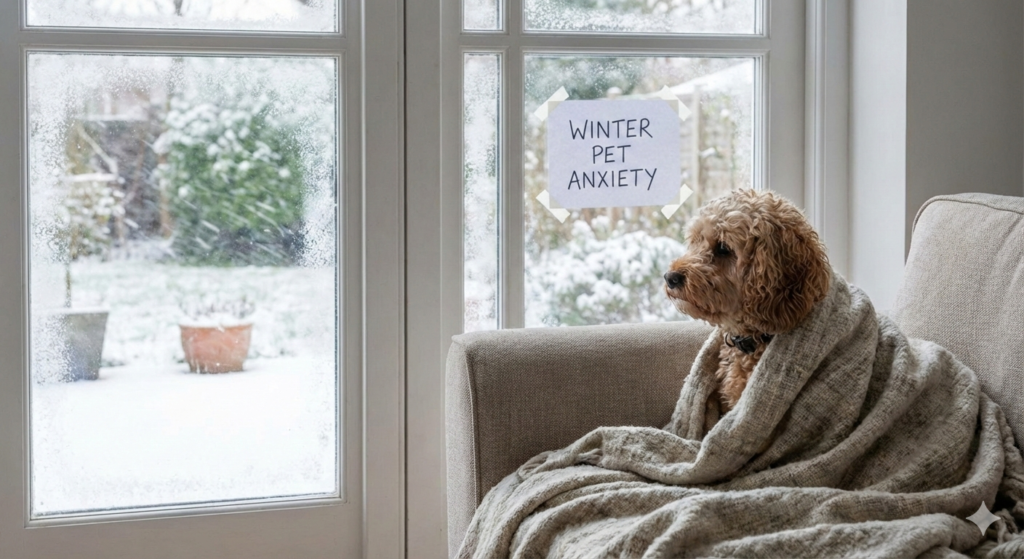
Winter is often seen as a season of warmth, comfort, and togetherness—but for many pets, it can be a time of increased stress and anxiety. Winter pet anxiety is more common than most pet owners realize. Changes in weather, routines, daylight, and noise levels can deeply affect your pet’s emotional well-being. Understanding why winter triggers anxiety and how to recognize the signs can help you support your pet through the colder months.
This guide explores winter pet anxiety in a natural, easy-to-understand way, helping pet owners create a calmer and safer environment for their furry companions.
What Is Winter Pet Anxiety?
Winter pet anxiety refers to heightened stress, nervousness, or fear that pets experience during the winter season. It is not a separate condition but a seasonal increase in anxiety caused by environmental and lifestyle changes. Dogs, cats, and even small pets can be affected.
Pets rely heavily on routine and familiarity. When winter disrupts their daily patterns—such as walks, playtime, or social interaction—it can make them feel uncertain and uneasy.
Why Winter Triggers Anxiety in Pets
Shorter Days and Less Sunlight
Winter brings fewer daylight hours, which can affect a pet’s internal clock. Reduced sunlight may lead to changes in sleep, mood, and energy levels.
Reduced Exercise and Outdoor Time
Cold temperatures, snow, or icy conditions often mean fewer walks and less outdoor play. For active pets, this lack of movement can result in frustration, boredom, and anxiety.
Loud Seasonal Noises
Winter storms, strong winds, fireworks, and holiday celebrations can be frightening for pets, especially those sensitive to noise.
Changes in Household Routine
Holiday travel, visitors, school breaks, or owners staying indoors more can disrupt a pet’s sense of stability and predictability.
Signs of Winter Pet Anxiety
Recognizing the signs early is key to helping your pet cope. Symptoms may vary depending on the pet’s personality and species.
Behavioral Signs
- Excessive barking, whining, or meowing
- Pacing or restlessness
- Destructive behavior such as chewing or scratching
- Hiding or avoiding interaction
- Increased clinginess
Emotional Signs
- Fearfulness or nervous behavior
- Sudden irritability
- Withdrawal from play or social interaction
Physical Signs
- Shaking or trembling
- Changes in appetite
- Excessive grooming or licking
- Difficulty settling or sleeping
If these behaviors appear mostly during winter and improve in warmer months, winter pet anxiety may be the cause.
Key Features of Winter Pet Anxiety
Seasonal Nature
One of the most important features is that symptoms worsen during winter and ease as routines and daylight return in spring.
Environment-Related Triggers
Winter pet anxiety is often triggered by external factors such as weather changes, indoor confinement, and noise rather than past trauma.
Affects Pets Differently
Some pets are naturally more sensitive. High-energy pets, senior animals, and those with previous anxiety are more vulnerable.
Often Misunderstood
Many owners mistake anxiety-related behaviors for stubbornness or misbehavior, which can delay proper support.
Pets Most Commonly Affected by Winter Anxiety
Dogs
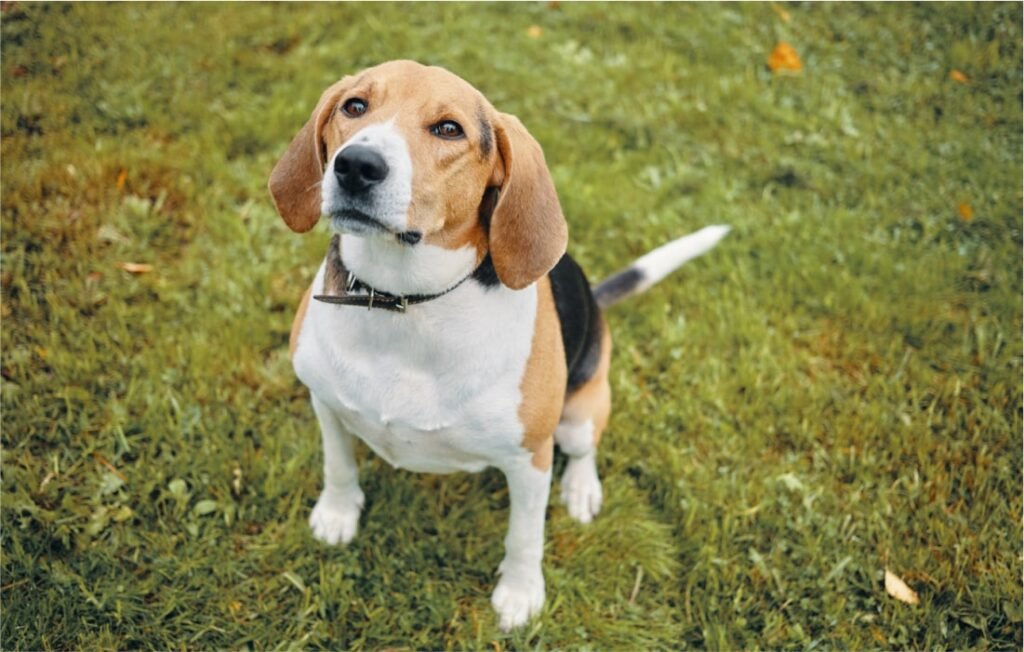
Dogs often struggle with limited walks and playtime. Breeds that require high activity levels are especially prone to anxiety during winter.
Cats
Cats may become anxious due to crowded indoor spaces, changes in household noise, or disrupted routines during holidays.
Small Pets
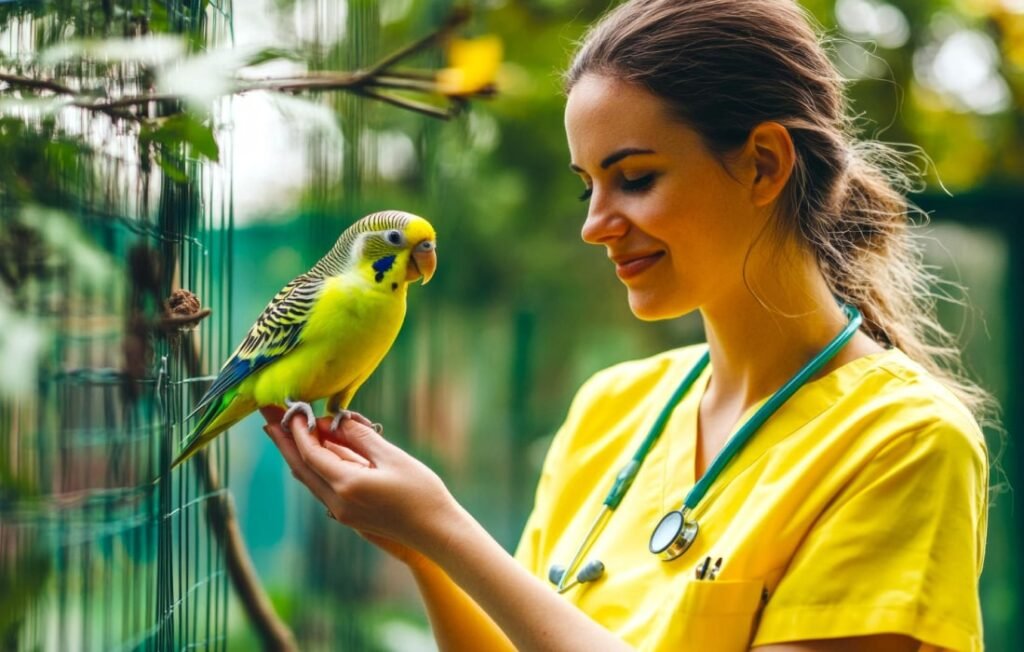
Rabbits, birds, and guinea pigs are sensitive to temperature shifts, reduced daylight, and environmental stressors.
How Indoor Living Impacts Pet Anxiety
Spending more time indoors can lead to mental overstimulation or boredom. Pets may lack opportunities to explore, exercise, or relax quietly.
Indoor-related stress may come from:
- Constant household noise
- Limited personal space
- Lack of enrichment activities
- Reduced independence
Providing balance indoors is essential for managing winter pet anxiety.
How to Help a Pet with Winter Anxiety
Keep a Consistent Routine
Stick to regular feeding, play, and sleep schedules. Consistency gives pets a sense of security.
Increase Mental Stimulation
Interactive toys, puzzle feeders, and short training sessions help keep pets mentally engaged and reduce stress.
Create a Calm Safe Space
Give your pet a warm, quiet area where they can relax away from noise or activity when needed.
Encourage Gentle Activity
Indoor games, short play sessions, or safe outdoor exposure can help release built-up energy.
Maximize Daylight Exposure
Open curtains and allow pets to rest in sunny areas to support natural sleep-wake cycles.
The Role of Pet Owners in Reducing Anxiety
Pets are highly sensitive to human emotions. Stress, frustration, or sudden changes in behavior can increase their anxiety. Calm, patient interactions and reassurance go a long way.
Spending quality time with your pet—whether through play, grooming, or simply sitting together—helps strengthen trust and emotional security.
Why Addressing Winter Pet Anxiety Matters
Ignoring winter pet anxiety can lead to long-term behavioral issues, chronic stress, and a reduced quality of life. Early recognition and simple adjustments can prevent anxiety from becoming a year-round problem.
Supporting your pet’s emotional health is just as important as meeting their physical needs.
Final Thoughts
Winter pet anxiety is a real and common challenge that many pets face during colder months. By understanding the causes, recognizing the signs, and focusing on key features of seasonal anxiety, pet owners can take meaningful steps to help their pets feel safe and comfortable. With patience, consistency, and care, winter can become a peaceful season for both pets and their families.