

Introduction
As cats age, they often face unique health challenges, including a decreased appetite, difficulty maintaining a healthy weight, and muscle wasting. For senior cats, especially those who have lost weight due to illness or aging, high-calorie foods can be a crucial part of helping them regain weight and maintain vitality. In this article, we explore the best high-calorie foods for senior cats designed to help them gain weight fast and improve their overall well-being. We’ll also look at the benefits, key features of these foods, and practical feeding tips.
Why High-Calorie Food Matters for Senior Cats
As cats age, their metabolism, digestive efficiency, and activity levels change. While some older cats become less active, many struggle to maintain their body condition due to reduced appetite, dental issues, or underlying health problems such as kidney disease or hyperthyroidism. These conditions can lead to weight loss and muscle wasting, putting senior cats at risk for weakened immunity and lower quality of life.
High-calorie foods provide concentrated energy in smaller portions—an ideal solution for senior cats that eat less but need more nutrients to thrive. When chosen carefully, these foods can help aging cats gain weight safely and effectively while supporting overall health.
Benefits of High-Calorie Foods for Senior Cats
Supports Healthy Weight Gain
High-calorie foods contain more energy per serving than standard cat foods. This helps senior cats gain weight quickly by providing the extra calories they need without requiring them to eat large portions.
Preserves Muscle Mass
Protein is essential for maintaining lean muscle, especially in aging cats prone to sarcopenia (muscle wasting). Quality high-calorie foods are rich in high-quality proteins that support muscle repair and strength.
Improves Energy and Vitality
A calorically dense diet can boost a senior cat’s energy levels, helping them stay more active, alert, and engaged with their environment. Improved energy supports better mobility and quality of life.
Encourages Better Appetite
Many high-calorie foods have strong aromas and palatable textures that appeal to senior cats who may have a diminished sense of smell or taste. This makes them more likely to eat consistently.
Supports Overall Health
Top-tier high-calorie foods are fortified with essential vitamins, minerals, antioxidants, and omega fatty acids, supporting immune function, skin and coat health, and overall wellness.
Key Features of the Best High-Calorie Foods for Senior Cats
When choosing high-calorie food to help your senior cat gain weight, look for the following key features:
High-Quality Protein Sources
Protein should be one of the first ingredients in the food. Look for named animal proteins like chicken, turkey, salmon, or beef. These are highly digestible and provide essential amino acids.
Healthy Fats
Fat is a dense source of calories and provides energy. Ingredients like chicken fat, fish oil, or salmon oil are excellent sources of healthy fats that also support skin, coat, and brain health.
High-Calorie Density
The best foods for weight gain have a higher calorie content per volume. This allows senior cats to consume more energy without eating large amounts.
Palatability
Senior cats may be picky or have reduced appetite. Foods with rich flavors, enhanced aroma, and appealing texture (especially in wet foods) can stimulate interest and increase intake.
Moisture Content
Wet foods provide hydration and are easier to chew — a significant advantage for senior cats with dental issues. Adequate moisture supports kidney and urinary health as well.
Digestive Support
Ingredients like prebiotics, probiotics, and easily digestible carbohydrates (like rice or sweet potatoes) help support healthy digestion in older cats.
Added Nutrients for Senior Health
Look for foods with added antioxidants, omega-3 fatty acids, vitamin E, and glucosamine/chondroitin for joint and immune support.
Top High-Calorie Foods for Senior Cats That Promote Weight Gain
Below are some of the best options for high-calorie senior cat foods known for their palatability and effectiveness in helping cats gain weight.
- Calorie-Dense Wet Foods
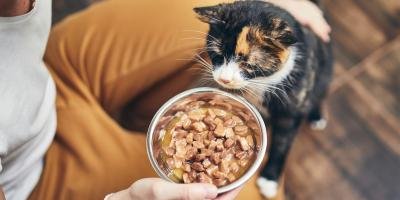
Wet Food Advantages
- Higher moisture content supports hydration and kidney health.
- Strong aroma and texture attract cats with picky appetites.
- Easier to chew, especially for cats with dental problems.
Best choices include:
- High-calorie pâté formulas with real meat or fish.
- Chunky stews or gravies rich in nutrients and fats.
2. High-Calorie Dry Kibble
Dry Food Advantages
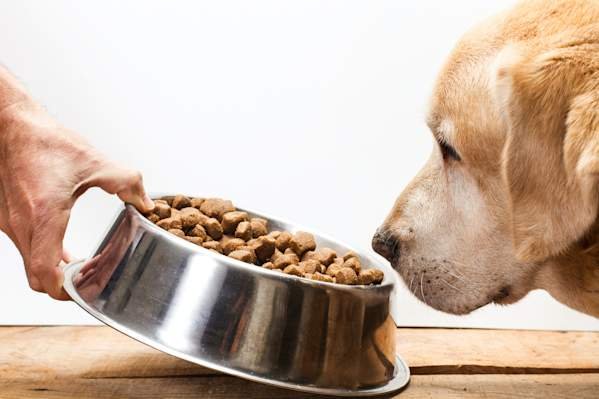
- Convenient and easy to serve.
- Typically has a higher calorie-per-cup than standard dry food.
Look for senior-specific kibble that includes:
- High protein and fat content.
- Smaller kibble sizes for easier chewing.
- Calorie Supplements and Boosters
Calorie boosters (for example, high-calorie gels or pastes) can be added to regular meals for cats who struggle to eat enough. These supplements are especially useful for:
- Picky eaters
- Cats with low appetite
- Cats needing extra calories between meals
4. Homemade High-Calorie Options (With Vet Guidance)
In some cases, homemade high-calorie meals can be prepared with:
- Lean meats (chicken, turkey, fish)
- Cooked eggs (good source of protein and fat)
- Small amounts of healthy oils (like salmon oil)
Always consult your veterinarian before feeding homemade diets to ensure nutritional balance.
How to Feed High-Calorie Foods Effectively
Offer Multiple Small Meals
Instead of one or two large meals, try several small, frequent feedings throughout the day. This makes it easier for senior cats to consume more calories without feeling overwhelmed.
Monitor Weight and Condition
Track your cat’s weight and body condition weekly. Adjust portions and frequency based on progress and always aim for gradual, steady weight gain rather than sudden increases.
Warm the Food
Warming wet food slightly can enhance its aroma and make it more appealing — especially helpful for cats with a diminished sense of smell.
Combine Taste and Nutrition
Mix calorie boosters or toppers with regular food to enhance flavor and energy content. Toppers made from real meats or broth can entice reluctant eaters.
Consult Your Veterinarian
Before switching diets or starting a high-calorie feeding plan, discuss your senior cat’s needs with a veterinarian. This is especially important if your cat has chronic health issues.
Potential Considerations and Precautions
Not All Weight Gain Is Healthy
Avoid foods that are high in empty calories (like fillers and sugars) that promote fat gain without proper nutrition.
Monitor for Digestive Upset
Sudden dietary changes can cause GI upset in senior cats. Transition gradually over 7–10 days.
Special Health Conditions
Cats with kidney disease, diabetes, or pancreatitis may need specialized diets. High-calorie food might not be appropriate without veterinary advice.
Conclusion
Helping senior cats regain weight and maintain a healthy body condition is critical to their quality of life. High-calorie foods designed for older cats can provide the energy, nutrients, and appetite appeal needed for rapid, healthy weight gain. Focus on high-quality proteins, healthy fats, palatability, and moisture content to support aging felines effectively.
By choosing the best high-calorie options available, feeding strategically, and working with your veterinarian, you can help your senior cat thrive in their later years — happier, healthier, and more energetic.