
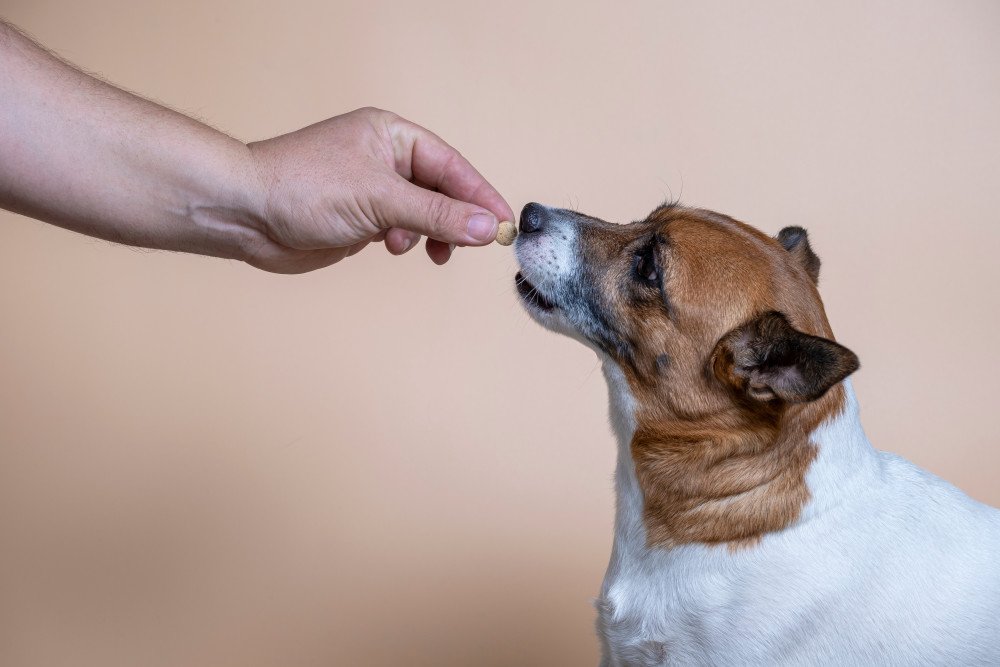
Gabapentin for dogs is a commonly prescribed medication used by veterinarians to manage pain, seizures, and anxiety. Originally developed for humans, gabapentin has become a trusted option in veterinary medicine due to its effectiveness and relatively low risk of serious side effects when used correctly.
If your vet has recommended gabapentin for your dog—or you’re researching treatment options—this guide explains how it works, what it’s used for, proper dosage, and potential side effects.
What Is Gabapentin for Dogs?
Gabapentin is a prescription medication that affects the nervous system. In dogs, it’s primarily used to control chronic pain, nerve pain, seizures, and situational anxiety.
Although it doesn’t cure underlying conditions, gabapentin for dogs helps reduce discomfort and improve quality of life, especially for senior dogs or dogs with long-term medical issues.
Common Uses of Gabapentin for Dogs
1. Pain Management
Gabapentin is frequently prescribed for dogs suffering from:
- Arthritis
- Hip dysplasia
- Cancer-related pain
- Post-surgical pain
- Nerve pain (neuropathic pain)
It’s often used alongside other pain medications to enhance relief.
2. Seizure Control
Gabapentin can be used as an add-on medication for dogs with epilepsy or seizure disorders, especially when primary seizure medications are not fully effective.
3. Anxiety and Stress
Veterinarians sometimes prescribe gabapentin for dogs to manage anxiety caused by:
- Vet visits
- Grooming
- Travel
- Fireworks or thunderstorms
Its calming effect helps reduce stress without heavy sedation when dosed properly.
How Gabapentin Works in Dogs
Gabapentin works by altering how nerves send pain and excitement signals to the brain. It reduces nerve stimulation, which helps:
- Dull pain sensations
- Decrease seizure activity
- Promote calmness
Unlike opioids, gabapentin does not cause euphoria and has a lower risk of dependency.
Gabapentin Dosage for Dogs
Gabapentin dosage for dogs varies depending on:
- Dog’s weight
- Condition being treated
- Severity of symptoms
- Overall health
Typical dosing ranges:
- Pain: Every 8–12 hours
- Seizures: Every 8 hours
- Anxiety: Given 1–2 hours before a stressful event
⚠️ Always follow your veterinarian’s instructions. Never adjust the dose or frequency without professional guidance.
Side Effects of Gabapentin for Dogs
Most dogs tolerate gabapentin well, but side effects can occur, especially when starting treatment or increasing dosage.
Common side effects include:
- Drowsiness
- Sedation
- Loss of coordination
- Mild lethargy
Less common side effects:
- Vomiting
- Diarrhea
- Behavioral changes
If your dog shows severe symptoms such as extreme weakness, collapse, or allergic reactions, contact your veterinarian immediately.
Is Gabapentin Safe for Dogs?
When prescribed by a veterinarian, gabapentin for dogs is considered safe. However, caution is advised for dogs with:
- Kidney disease
- Liver issues
- Pregnancy or nursing status
Gabapentin should never be stopped abruptly, especially in dogs being treated for seizures, as this may trigger withdrawal seizures.
How Long Does Gabapentin Take to Work?
- Pain relief: Often within a few hours
- Anxiety relief: 1–2 hours after dosing
- Seizure control: May take several days to stabilize
The effects usually last 8–12 hours, depending on dosage and individual response.
Tips for Giving Gabapentin to Dogs
- Give capsules whole or open and mix with food (if approved by your vet)
- Stick to a consistent schedule
- Monitor your dog’s behavior and mobility
- Store medication at room temperature, away from moisture
Gabapentin for Dogs: Final Thoughts
Gabapentin for dogs is a versatile and effective medication for managing pain, seizures, and anxiety. When used responsibly under veterinary guidance, it can significantly improve your dog’s comfort and quality of life.
If you think gabapentin may help your dog, consult your veterinarian to determine the correct dosage and treatment plan.