
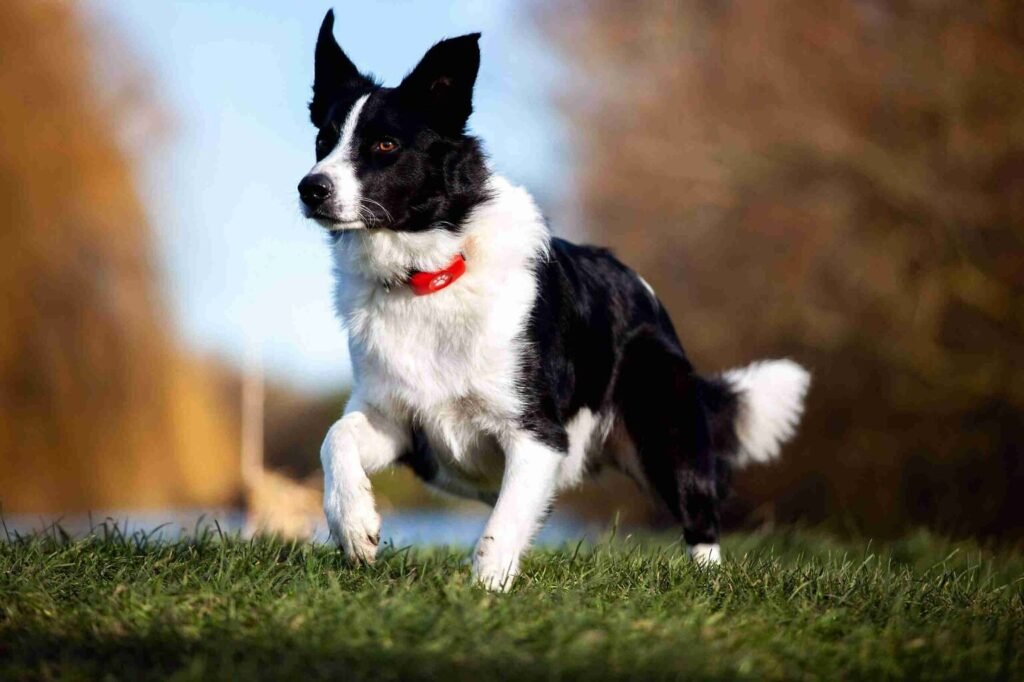
Sheepdogs have long been admired for their intelligence, loyalty, and strong work ethic. Traditionally bred to herd and protect livestock, these remarkable dogs played a vital role in farming communities for centuries. However, as agriculture and lifestyles have evolved, the role of sheepdogs has changed dramatically.
Today, sheepdogs are no longer limited to open fields and farms. Instead, they have adapted to modern life in impressive and meaningful ways.
Traditional Role of Sheepdogs
Historically, sheepdogs were essential working dogs. Farmers relied on them to:
-
Herd and control livestock
-
Protect sheep from predators
-
Respond to hand signals and whistle commands
-
Work independently over long distances
Breeds such as the Border Collie, Old English Sheepdog, and Australian Shepherd were selectively bred for stamina, intelligence, and problem-solving abilities. Their survival and value depended on their performance.
How Modern Farming Changed Their Role
Advancements in farming technology, fencing, and livestock management have reduced the demand for traditional herding dogs in many regions. Large-scale operations and automated systems now handle tasks once managed by sheepdogs.
As a result, many sheepdog breeds began transitioning away from full-time farm work—but their skills did not go to waste.
Sheepdogs in Today’s World
Modern sheepdogs have found new roles that suit their natural abilities. Today, they are commonly seen as:
Family Companions
Sheepdogs are loyal, affectionate, and deeply bonded to their owners. When properly trained and exercised, they make excellent family pets.
Service and Therapy Dogs
Their intelligence and sensitivity allow them to excel as emotional support and therapy dogs, providing comfort in hospitals, schools, and care facilities.
Search and Rescue Dogs
Sheepdogs’ focus, endurance, and trainability make them valuable in search and rescue missions and disaster response.
Sports and Performance Dogs
Many sheepdogs thrive in agility, obedience, herding trials, and canine sports that challenge both their minds and bodies.
Mental and Physical Needs of Modern Sheepdogs
Although their jobs have changed, sheepdogs’ instincts remain strong. Without proper stimulation, they may develop boredom-related behaviors.
To stay healthy and happy, sheepdogs need:
-
Daily physical exercise
-
Mental enrichment activities
-
Structured training sessions
-
A sense of purpose or routine
Meeting these needs is essential for responsible sheepdog ownership.
Why Sheepdogs Adapt So Well
Sheepdogs are known for their adaptability. Their ability to learn quickly, follow cues, and work closely with humans has allowed them to transition smoothly into modern roles.
What hasn’t changed is their desire to be useful. Whether herding sheep or mastering new skills, sheepdogs thrive when given meaningful tasks.
The Future of Sheepdogs
The changing role of sheepdogs reflects the changing relationship between humans and animals. While fewer sheepdogs work on farms today, their importance has not diminished. Instead, they have become trusted companions, helpers, and partners in modern life.
As long as humans value intelligence, loyalty, and cooperation, sheepdogs will continue to play an important role—just in new and evolving ways.
Final Thoughts
The journey of sheepdogs from working farmland to family homes shows their remarkable versatility. Understanding their history helps modern owners meet their needs and appreciate the incredible qualities that make sheepdogs so special.