
Constipation in dogs is more common than many pet owners realize. If your dog is struggling to poop, passing hard stools, or hasn’t had a bowel movement in a couple of days, their diet may need a small adjustment. The good news is that certain foods can help stimulate digestion and ease bowel movements safely.
In this guide, we’ll explain what to feed a constipated dog, along with simple diet changes that can help your furry friend feel comfortable again.
Signs Your Dog May Be Constipated
Before adjusting your dog’s diet, it’s important to recognize the symptoms of constipation. Watch for these common signs:
- Straining while trying to poop
- Hard, dry stools
- Infrequent bowel movements
- Whining or discomfort while defecating
- Loss of appetite
- Lethargy or restlessness
If symptoms last more than 48 hours, consulting a veterinarian is always recommended.
Best Foods to Feed a Constipated Dog
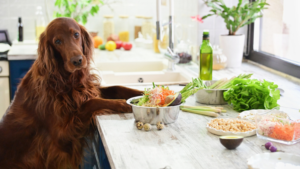
Diet plays a major role in your dog’s digestive health. Certain natural foods can help soften stools and promote healthy bowel movements.
1. Pumpkin (Plain and Unsweetened)
Pumpkin is one of the most effective natural remedies for constipation in dogs.
Why it helps:
- High in fiber
- Contains moisture that softens stool
- Supports healthy digestion
How to feed it:
- Mix 1–4 tablespoons of plain canned pumpkin into your dog’s regular food depending on their size.
Make sure it’s 100% pure pumpkin, not pumpkin pie filling.
2. Sweet Potatoes
Sweet potatoes are another fiber-rich option that helps regulate digestion.
Benefits:
- Supports gut health
- Provides vitamins A and C
- Helps soften stool naturally
Serving tip:
- Serve plain boiled or mashed sweet potato with no butter, salt, or seasoning.
3. Plain Cooked Oatmeal
Oatmeal is a gentle source of soluble fiber that can help relieve mild constipation.
Why oatmeal works:
- Supports healthy gut bacteria
- Helps retain water in the stool
- Easy to digest
Use plain cooked oatmeal and mix a small spoonful into your dog’s regular meal.
4. Green Beans
Green beans are low-calorie vegetables that provide fiber and hydration.
Benefits include:
- Promotes bowel regularity
- Adds bulk to stool
- Helps with digestion
Serve plain steamed or boiled green beans, chopped into small pieces.
5. Bone Broth
Hydration is essential when treating constipation. Bone broth is both nutritious and hydrating.
Why it helps:
- Encourages water intake
- Supports digestion
- Provides minerals and collagen
Add a small amount of unsalted bone broth to your dog’s food to improve moisture content.
Increase Water Intake
Dehydration is one of the leading causes of constipation in dogs. Ensuring your dog drinks enough water can significantly improve bowel movements.
Helpful tips:
- Keep fresh water available at all times
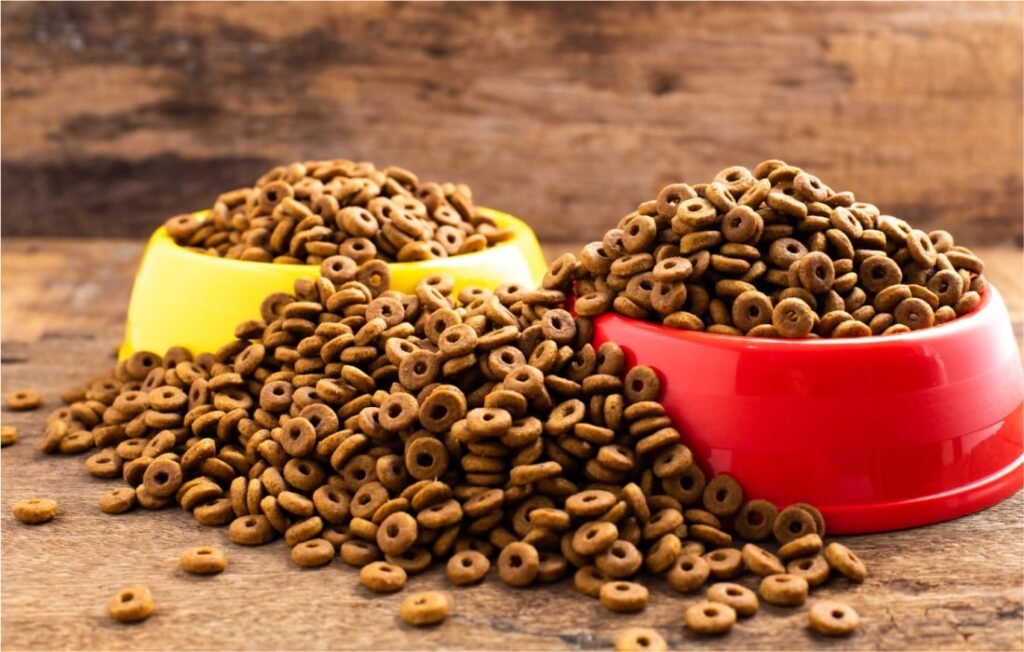
- Add water or broth to dry food
- Offer wet dog food occasionally
More moisture in your dog’s diet helps soften stools and makes them easier to pass.
Increase Fiber Gradually
Fiber is crucial when figuring out what to feed a constipated dog, but it should be introduced slowly.
Too much fiber too quickly can lead to:
- Gas
- Bloating
- Diarrhea
Start with small portions and monitor how your dog responds.
Encourage Physical Activity
While diet helps, exercise also stimulates digestion.
Simple activities that help include:
- Daily walks
- Playtime in the yard
- Interactive toys
- Light running or fetching
Movement naturally helps the intestines move stool through the digestive tract.
Foods to Avoid
Certain foods may worsen constipation or upset your dog’s digestive system.
Avoid feeding:
- Highly processed treats
- Excess dairy products
- Fatty human foods
- Bones that can cause blockage
A balanced diet with proper hydration is key to preventing digestive issues.
When to See a Veterinarian
While dietary changes can help mild cases, some situations require medical attention.
Contact your vet if your dog:
- Has not pooped for more than 48 hours
- Is vomiting or refusing food
- Shows signs of pain
- Has blood in stool
- Frequently suffers from constipation
Chronic constipation may indicate underlying health issues that need professional care.
Final Thoughts
Understanding what to feed a constipated dog can make a big difference in your pet’s comfort and overall health. Natural fiber-rich foods like pumpkin, sweet potatoes, oatmeal, and green beans can help regulate digestion and promote regular bowel movements.
Always introduce new foods gradually and monitor your dog’s response. With the right diet, hydration, and exercise, most dogs can regain healthy digestion quickly.
If symptoms persist, a veterinarian can provide the safest treatment plan for your furry companion.