

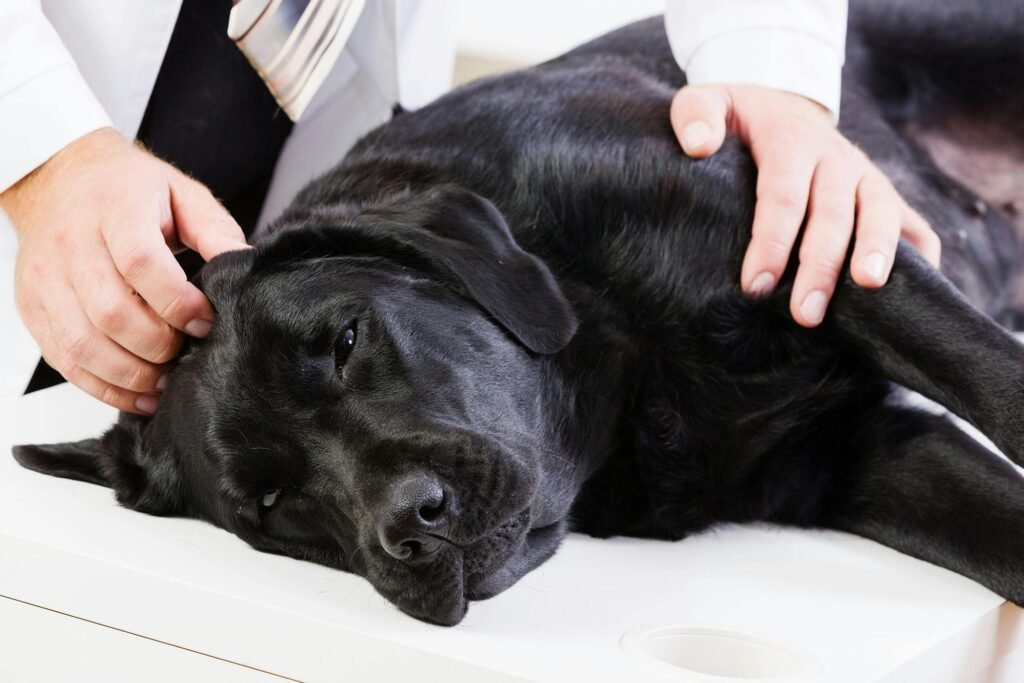
When your dog is in pain, you can see it in their eyes, their posture, and the way they move. A once energetic pup may suddenly hesitate to climb stairs, jump on the couch, or even stand up. In some cases, tight, painful muscles are to blame. That’s where muscle relaxants for dogs can play an important role in recovery and comfort.
These medications are commonly prescribed by veterinarians to reduce muscle spasms, stiffness, and discomfort caused by injury or medical conditions. While the term might sound intimidating, the goal is simple: ease tension, relieve pain, and help your dog heal more comfortably.
Why Would a Dog Need a Muscle Relaxant?
Muscle tension in dogs can develop for many reasons. Sometimes it’s the result of a sudden injury. Other times, it’s linked to chronic conditions that affect the spine, nerves, or joints.
Veterinarians may prescribe muscle relaxants in cases such as:
- Back or neck injuries
- Intervertebral disc disease (IVDD)
- Muscle trauma from accidents or falls
- Severe arthritis causing secondary muscle tightness
- Post-surgical recovery
- Neurological conditions that trigger muscle spasms
- Toxin exposure leading to tremors
When muscles contract involuntarily and don’t relax, it causes pain and limits movement. By calming those contractions, medication helps restore mobility and reduces suffering.
How Do Muscle Relaxants Work?
Muscle relaxants typically act on the central nervous system rather than directly on the muscles themselves. They reduce the signals that cause muscles to spasm or tighten excessively.
Commonly prescribed options include:
- Methocarbamol – Often used to treat muscle spasms and tremors
- Diazepam – May help with muscle relaxation and certain neurological issues
- Other supportive medications depending on the condition
These drugs are often combined with:
- Anti-inflammatory medications
- Pain relievers
- Physical therapy
- Strict rest and limited activity
The combination approach ensures that your dog’s recovery addresses both the underlying problem and the discomfort that comes with it.
Signs Your Dog May Be Experiencing Muscle Pain
Dogs don’t always cry out when they’re hurting. Instead, they show subtle behavioral changes. Watch for:
- Reluctance to move or jump
- Stiff walking or limping
- Arched back or hunched posture
- Shaking or trembling
- Sensitivity when touched
- Restlessness or difficulty settling
If you notice these symptoms, consult your veterinarian promptly. Early treatment often leads to better outcomes.
What to Expect During Treatment
When a vet prescribes muscle relaxants for dogs, the dosage is carefully calculated based on weight, age, and overall health. Never attempt to give your dog human medication unless explicitly instructed by a professional.
During treatment, you may notice:
- Mild drowsiness
- Reduced activity
- Improved comfort when moving
- Less visible tension
Drowsiness is a common side effect, as these medications affect the nervous system. However, extreme lethargy, vomiting, coordination problems, or unusual behavior should be reported immediately.
Safety Tips for Pet Owners
Responsible use of medication is key to your dog’s recovery. Keep these safety tips in mind:
- Follow the exact dosage instructions provided by your veterinarian
- Never double up on a missed dose without guidance
- Store medication out of reach of pets and children
- Monitor your dog closely during the first few days
- Keep follow-up appointments to track progress
It’s also important to inform your vet about any other medications or supplements your dog is taking. Drug interactions can affect safety and effectiveness.
Supporting Recovery Beyond Medication
While muscle relaxants can provide relief, they’re only one part of the healing process. Supporting your dog at home makes a significant difference.
Helpful recovery practices include:
- Providing a quiet, comfortable resting space
- Limiting stairs and jumping
- Using supportive bedding for joint comfort
- Assisting with mobility if needed
- Gradually reintroducing activity as advised
In some cases, rehabilitation therapy or gentle exercises may be recommended to rebuild strength once pain is controlled.
The Bigger Picture: Comfort and Quality of Life
Seeing your dog struggle with pain can be heartbreaking. The good news is that modern veterinary medicine offers effective tools to help them feel better. Muscle relaxants are not about sedation or slowing your dog down permanently. They’re about restoring balance so the body can heal.
With proper veterinary supervision, these medications can significantly improve comfort, mobility, and overall well-being. If your dog seems stiff, uncomfortable, or in pain, don’t wait. A professional evaluation can determine whether muscle tension is the issue and what treatment plan will work best.
At the end of the day, every dog deserves to move freely and live without unnecessary discomfort. With the right care, patience, and medical guidance, recovery is not only possible — it’s likely.