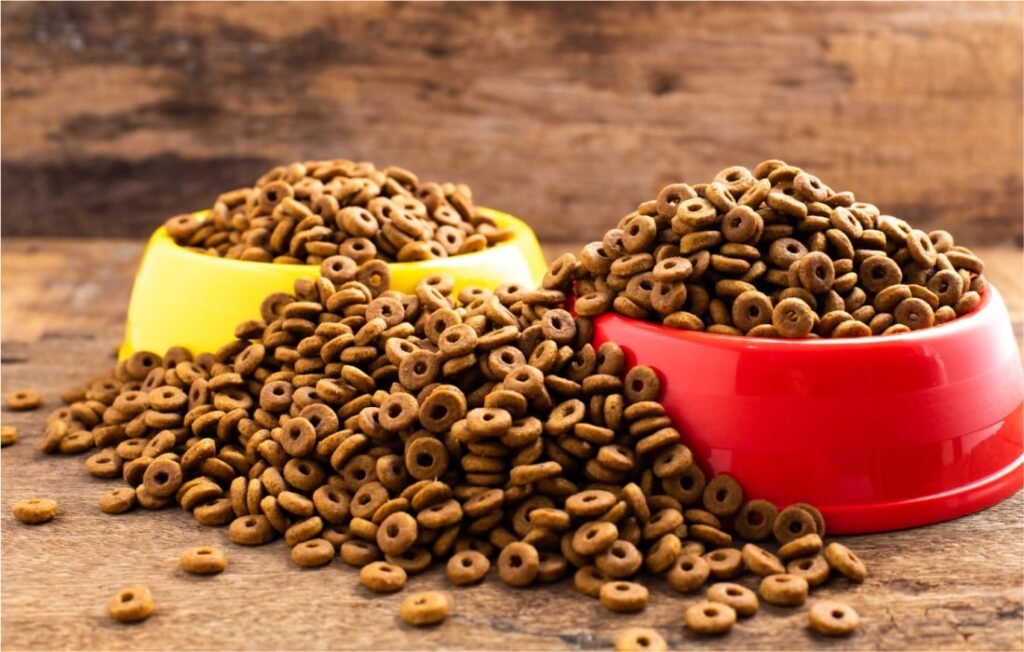
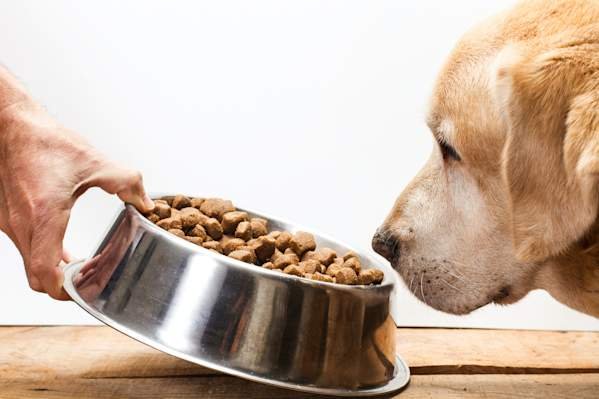

Choosing the right food for your pet is one of the most important decisions you’ll make as a pet parent. While pet food labels often look healthy and appealing, not all ingredients are beneficial—and some may even be harmful over time.
Understanding which pet food ingredients to avoid can help protect your pet’s health, energy levels, and long-term well-being.
Why Pet Food Ingredients Matter
Pets rely entirely on us for their nutrition. Poor-quality ingredients can contribute to:
- Digestive issues
- Allergies and skin problems
- Obesity
- Low energy
- Long-term health complications
Reading labels carefully is essential to making informed choices.
Ingredients You Should Avoid in Pet Food
1. Meat By-Products (Unspecified)
While some by-products can be nutritious, unnamed meat by-products often come from low-quality sources.
Avoid labels that list:
- “Meat by-products” without specifying the animal
- “Animal by-products”
Instead, look for clearly named proteins like chicken, beef, or salmon.
2. Artificial Colors
Artificial dyes are added to make pet food look appealing to humans—not pets.
Common ones to avoid include:
- Red 40
- Yellow 5 and 6
- Blue 2
These additives offer no nutritional value and may trigger allergies or behavioral issues in some pets.
3. Artificial Preservatives
Some preservatives help extend shelf life but may pose health concerns when consumed long-term.
Watch out for:
- BHA (Butylated Hydroxyanisole)
- BHT (Butylated Hydroxytoluene)
- Ethoxyquin
Natural alternatives like vitamin E (tocopherols) or vitamin C are safer options.
4. Corn, Wheat, and Soy (Fillers)
These ingredients are often used as cheap fillers.
Potential issues include:
- Difficult digestion
- Food sensitivities
- Lower nutritional value
While not all pets are allergic, many do better with higher-quality carbohydrate sources.
5. Added Sugars
Sugar has no place in pet food.
Ingredients such as:
- Corn syrup
- Cane molasses
- Fructose
can contribute to weight gain, dental problems, and diabetes.
6. Rendered Fats Without Identification
Labels that list “animal fat” without identifying the source can indicate low-quality rendering practices.
Always look for named fats like:
- Chicken fat
- Salmon oil
Clear sourcing ensures better quality and safety.
7. Excessive Salt (Sodium)
While pets need some sodium, too much can be harmful.
High salt content may lead to:
- Increased thirst
- Dehydration
- Kidney stress
Avoid foods where salt appears high on the ingredient list.
How to Choose Better Pet Food
When shopping for pet food:
- Look for named, whole protein sources
- Choose foods with minimal artificial additives
- Prioritize transparency in labeling
- Consult your veterinarian for diet recommendations
Quality ingredients make a noticeable difference in your pet’s health.
Final Thoughts
Knowing which ingredients to avoid in pet food empowers you to make healthier choices for your pet. While no single food is perfect, avoiding harmful additives and low-quality fillers can significantly improve your pet’s quality of life.
Your pet depends on you—choose wisely.