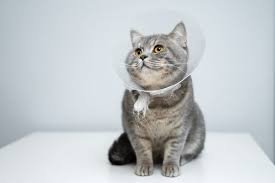




If you’re a cat owner, you’ve probably wondered: How long do indoor cats live? The good news is that indoor cats tend to live significantly longer than outdoor cats. With proper care, nutrition, and a safe environment, indoor cats can enjoy long, healthy lives well into their senior years.
In this article, we’ll explore the average indoor cat lifespan, factors that influence longevity, and practical tips to help your cat live a longer, happier life.
What Is the Average Indoor Cat Lifespan?
The average indoor cat lifespan is 12 to 18 years, but many indoor cats live into their early 20s. Some exceptionally well-cared-for cats have even reached their late 20s or early 30s.
By comparison, outdoor cats typically live only 2 to 5 years, mainly due to accidents, predators, and disease exposure.
Why Do Indoor Cats Live Longer?
Indoor cats benefit from a controlled, low-risk environment. Here are the main reasons they tend to outlive outdoor cats:
1. Protection From Accidents
Indoor cats are safe from traffic, animal fights, and environmental hazards.
2. Lower Risk of Disease
Living indoors reduces exposure to contagious illnesses, parasites, and toxins.
3. Consistent Nutrition
Indoor cats receive regular, balanced meals instead of scavenging or hunting.
4. Regular Veterinary Care
Indoor cats are more likely to receive routine checkups, vaccinations, and early treatment.
Factors That Affect Indoor Cat Lifespan
While living indoors boosts longevity, several factors still influence how long your cat will live.
Genetics
Breed and genetic health play a role. Mixed-breed cats often have fewer inherited conditions than some purebred cats.
Diet and Nutrition
A high-quality, age-appropriate diet supports immune health, digestion, and weight management.
Weight and Activity Level
Obesity is one of the most common health issues in indoor cats and can shorten lifespan. Regular play and exercise are essential.
Spaying or Neutering
Spayed or neutered cats tend to live longer due to reduced risk of certain cancers and infections.
Mental Stimulation
Boredom and stress can negatively impact health. Toys, climbing spaces, and interactive play help keep indoor cats mentally engaged.
Indoor Cat Lifespan by Life Stage
Understanding cat life stages helps you provide the right care at the right time.
- Kitten (0–1 year): Rapid growth and development
- Young Adult (1–6 years): Peak health and energy
- Mature Adult (7–10 years): Early signs of aging may appear
- Senior (11–14 years): Slower activity, increased health monitoring
- Geriatric (15+ years): Special diets and frequent vet visits recommended
How to Help Your Indoor Cat Live Longer
Here are practical, vet-recommended tips to extend your indoor cat’s lifespan:
1. Schedule Regular Vet Visits
Annual checkups (or twice yearly for seniors) help detect problems early.
2. Feed a Balanced Diet
Choose high-quality cat food with proper protein levels and avoid overfeeding.
3. Encourage Daily Exercise
Interactive toys, laser pointers, and puzzle feeders keep cats active.
4. Maintain Dental Health
Dental disease can shorten a cat’s life. Regular dental care is often overlooked but critical.
5. Reduce Stress
Keep a consistent routine and provide safe, quiet spaces for relaxation.
Do Indoor Cats Get Depressed?
Indoor cats can become bored if their environment lacks stimulation, but enrichment prevents depression. Window perches, cat trees, and rotating toys can dramatically improve quality of life.
Final Thoughts: Indoor Cats Live Longer, Healthier Lives
So, how long do indoor cats live? On average, much longer than outdoor cats—often twice as long or more. With proper care, many indoor cats enjoy long, comfortable lives filled with play, affection, and companionship.
By focusing on nutrition, exercise, mental stimulation, and preventive healthcare, you can help ensure your cat lives a long and happy life by your side.