



Introduction
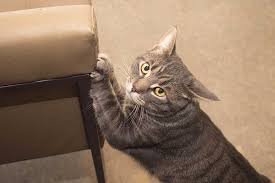
Cats scratching furniture is one of the most common challenges faced by cat owners. While it can be frustrating to see sofas, chairs, and curtains damaged, scratching is a completely natural and necessary behavior for cats. The key is not to stop scratching altogether, but to redirect it in a way that keeps both your cat and your furniture happy. This article explains why cats scratch, how to stop a cat from scratching furniture using humane methods, and the key features of effective scratching solutions.
Understanding Why Cats Scratch
Before learning how to stop a cat from scratching furniture, it is important to understand why cats do it in the first place. Scratching is not bad behavior—it serves several essential purposes.
Cats scratch to remove the dead outer layers of their claws, keeping them healthy and sharp. Scratching also helps cats stretch their muscles, especially in their shoulders and backs. In addition, cats have scent glands in their paws, so scratching leaves both a visual and scent mark that helps them feel secure in their environment. Stress, boredom, or lack of appropriate scratching options can increase furniture scratching.
How to Stop a Cat from Scratching Furniture
Provide Appropriate Scratching Posts
One of the most effective ways to stop a cat from scratching furniture is to provide suitable scratching alternatives. Scratching posts should be sturdy, tall enough for a full-body stretch, and covered in materials cats enjoy, such as sisal rope or textured cardboard.
Place scratching posts near the furniture your cat already targets. If your cat likes scratching the couch, putting a scratching post next to it increases the chance your cat will use the post instead of the furniture.
Choose the Right Scratching Surfaces
Cats have individual preferences when it comes to scratching surfaces. Some prefer vertical posts, while others enjoy horizontal scratchers or angled boards. Offering a variety of scratching options helps you discover what your cat likes most.
Materials also matter. Sisal, cardboard, wood, and rough fabric can all be appealing. Avoid soft materials that feel similar to furniture, as this may confuse your cat.
Use Positive Reinforcement
Positive reinforcement is a powerful tool when teaching a cat where to scratch. When your cat uses a scratching post instead of furniture, reward them with treats, praise, or playtime. This helps your cat associate the correct behavior with something enjoyable.
Never punish a cat for scratching furniture. Punishment can cause fear and stress, which often leads to more unwanted behavior rather than less.
Make Furniture Less Appealing
Another effective method for how to stop a cat from scratching furniture is to make the furniture unattractive for scratching. Cats dislike certain textures and smells.
You can use double-sided tape, aluminum foil, or specially designed furniture protectors on areas your cat scratches frequently. Citrus scents are also disliked by many cats, so pet-safe citrus sprays can help discourage scratching without harming your cat.
Trim Your Cat’s Claws Regularly
Keeping your cat’s claws trimmed reduces the damage caused by scratching. While trimming does not stop scratching behavior, it makes scratches less destructive and helps protect furniture.
Use proper cat nail clippers and trim only the sharp tip of the claw. If you are unsure how to do this safely, a veterinarian or professional groomer can help.
Increase Play and Mental Stimulation
Boredom and excess energy can cause cats to scratch furniture more frequently. Providing daily play sessions helps release energy and reduces stress-related scratching.
Interactive toys, puzzle feeders, and climbing trees keep your cat mentally stimulated. A tired, content cat is less likely to scratch furniture out of frustration.
Establish a Consistent Routine
Cats thrive on routine. Feeding, playing, and resting at consistent times helps your cat feel secure. When cats feel calm and comfortable, they are less likely to engage in destructive behaviors such as excessive furniture scratching.
Consistency also matters when training. Always redirect your cat to the scratching post instead of the furniture, and reward them every time they use it correctly.
Common Mistakes to Avoid
One common mistake is providing a scratching post but placing it in an area the cat rarely uses. Scratching posts should be placed in visible, accessible areas, not hidden away.
Another mistake is expecting instant results. Training a cat takes time and patience. Cats learn through repetition, so consistency is essential.
Finally, avoid declawing. Declawing is a painful surgical procedure that can cause long-term physical and behavioral problems. Humane training and redirection are far better solutions.
Key Features of an Effective Scratching Solution
Stability and Durability
A good scratching post or pad must be stable. If it wobbles or falls over, your cat may avoid it. Heavy bases or wall-mounted scratchers are often more successful.
Durability is also important. Cats will scratch frequently, so materials should withstand repeated use without falling apart quickly.
Appropriate Height and Size
Cats love to stretch fully while scratching. Vertical posts should be tall enough for your cat to extend their body completely. Horizontal scratchers should be long enough for comfortable use.
Choosing the right size ensures your cat feels satisfied after scratching, reducing the desire to return to furniture.
Appealing Texture
The texture of a scratching surface is one of its most important features. Sisal rope is a popular choice because it is rough and durable. Cardboard scratchers are also widely loved and affordable.
Observing your cat’s preferences will help you select the most effective scratching tools.
Strategic Placement
Placement plays a major role in success. Scratching posts should be placed near sleeping areas, entrances, or favorite furniture. Cats often like to scratch after waking up or when marking territory.
Having multiple scratching options throughout the home increases the chances your cat will use them consistently.
Easy Maintenance
Scratching tools should be easy to clean or replace. Removable covers or replaceable cardboard inserts help keep scratching areas fresh and appealing to your cat.
Regular maintenance ensures your cat continues to use the scratching post instead of furniture.
Long-Term Success and Patience
Learning how to stop a cat from scratching furniture is a process that requires patience, understanding, and consistency. Cats do not scratch out of spite—they scratch because it is a natural part of who they are.
By providing appropriate scratching alternatives, using positive reinforcement, and creating a cat-friendly environment, you can protect your furniture while meeting your cat’s needs. Over time, your cat will learn where scratching is allowed, and your home will become a more peaceful place for both of you.
Conclusion
Stopping a cat from scratching furniture does not mean stopping scratching altogether. It means guiding your cat toward acceptable scratching options and making furniture less appealing. With the right tools, placement, and training methods, you can successfully manage scratching behavior in a humane and effective way. Understanding your cat’s instincts and working with them—not against them—is the key to long-lasting results.