



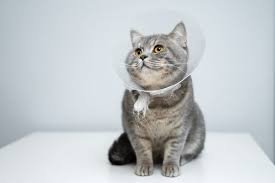
If your cat has recently had surgery or suffered a wound, your veterinarian may send them home wearing what looks like a plastic lampshade around their neck. While it may seem uncomfortable or even amusing at first, a cat vet collar cone plays a crucial role in recovery.
Cats are naturally inclined to lick, bite, or scratch irritated areas. Unfortunately, this instinct can delay healing, reopen wounds, or cause infections. The cone acts as a protective barrier, giving your pet the time and space needed to recover safely.
Why Do Cats Need a Cone?
After medical procedures such as spaying, neutering, or treating injuries, keeping the affected area untouched is essential. Even a few minutes of licking can cause stitches to tear or introduce bacteria.
Veterinarians recommend a recovery collar to:
- Prevent licking or chewing at surgical sites
- Protect wounds, hot spots, or skin irritations
- Stop scratching of facial or ear injuries
- Reduce risk of infection
- Support proper healing
Though it may look inconvenient, it significantly lowers the chance of complications.
Types of Cat Recovery Collars
Not all cones are the same. Depending on your cat’s needs and personality, your vet may suggest different styles.
1. Traditional Plastic Cone (Elizabethan Collar)
This is the classic rigid cone most people recognize.
- Durable and effective
- Provides full protection
- Transparent options allow better visibility
- May feel bulky for some cats
2. Soft Fabric Cone
Made from padded or flexible materials, these are often more comfortable.
- Lightweight and softer edges
- Less intimidating
- May not prevent access to certain areas
- Better for mild injuries
3. Inflatable Recovery Collar
Resembling a travel pillow, this option limits neck movement.
- More comfortable for eating and sleeping
- Allows better peripheral vision
- Not ideal for lower body wounds
- Suitable for calmer cats
Choosing the right collar depends on the location of the injury and your cat’s behavior.
How Long Should a Cat Wear a Cone?
The duration varies depending on the procedure and healing progress. Most cats need to wear a cone for:
- 7 to 14 days after spay or neuter surgery
- Until stitches are removed
- Until the wound is fully healed
- As directed by your veterinarian
Removing it too soon can undo days of healing in minutes.
Helping Your Cat Adjust
Many cats initially resist wearing a cone. They may walk backward, bump into furniture, or freeze in place. This reaction is normal.
You can help your cat adjust by:
- Giving them extra reassurance and gentle attention
- Rearranging food and water bowls for easy access
- Clearing tight spaces or obstacles
- Monitoring eating and litter box habits
- Offering soft bedding for comfort
Most cats adapt within a day or two.
Eating and Drinking with a Cone
Some cats struggle to eat or drink while wearing a collar. If this happens:
- Use shallow, wide food dishes
- Elevate bowls slightly if needed
- Remove the cone briefly during meals (only under supervision)
- Ensure the cone fits properly and isn’t too tight
Never leave your cat unsupervised without the collar unless your veterinarian says it’s safe.
Proper Fit and Safety
A properly fitted cat vet collar cone should:
- Extend slightly beyond the nose
- Be snug but not tight around the neck
- Allow two fingers to fit between collar and neck
- Stay secure without restricting breathing
If the cone is too loose, your cat may remove it. If it’s too tight, it can cause discomfort or skin irritation.
Check daily for:
- Redness around the neck
- Signs of rubbing or sores
- Changes in behavior
- Swelling or discharge from the wound
Contact your veterinarian if you notice any concerns.
Alternatives to a Cone
In some cases, alternative recovery solutions may be suitable:
- Surgical recovery suits (soft body garments)
- Bandaging (if approved by your vet)
- Close supervision instead of a collar
However, not all cats are good candidates for alternatives. Always consult your veterinarian before switching options.
Common Mistakes to Avoid
When using a recovery collar, avoid these common errors:
- Removing it too early
- Allowing unsupervised breaks
- Using a collar that’s too small
- Ignoring signs of infection
- Assuming your cat “won’t lick it”
Even calm cats may attempt to groom once discomfort begins.
Final Thoughts
A cat vet collar cone may not look stylish, but it serves a powerful purpose. By preventing licking, scratching, and chewing, it gives your cat the best chance at a smooth and complication-free recovery.
Patience and proper care during this short healing period can prevent bigger health problems later. While your cat may not appreciate the cone at first, it’s a temporary measure that protects their long-term well-being.
With the right fit, attentive care, and a little extra love, your feline friend will soon be back to their normal, playful self — cone-free and fully healed.