


Keeping your pets clean is essential for their health, comfort, and overall well-being. Clean pets are less likely to develop skin infections, parasites, or unpleasant odors, and regular grooming helps you spot potential health issues early.
This guide explains how to keep pets clean using safe, practical, and effective methods.
Why Keeping Pets Clean Is Important
Proper pet hygiene helps:
-
Prevent skin infections and parasites
-
Reduce shedding and allergens
-
Maintain a healthy coat and skin
-
Improve your pet’s comfort and confidence
-
Keep your home cleaner
Cleanliness is not just about appearance—it’s a key part of preventive pet care.
Regular Grooming Is Essential
Brushing Your Pet
Brushing removes dirt, loose fur, and dead skin while improving blood circulation.
Tips:
-
Brush short-haired pets 1–2 times a week
-
Brush long-haired pets daily to prevent matting
-
Use breed-appropriate grooming tools
Bathing Your Pet the Right Way
Bathing frequency depends on your pet’s breed, coat type, and lifestyle.
General guidelines:
-
Dogs: every 4–6 weeks (or as needed)
-
Cats: usually self-cleaning, occasional baths only if necessary
Always use pet-safe shampoos. Human products can irritate skin and disrupt natural oils.
Keep Ears, Eyes, and Paws Clean
Ear Care
Dirty ears can lead to infections.
-
Clean gently with vet-approved solutions
-
Never insert cotton swabs deep into the ear
Eye Cleaning
-
Wipe discharge with a damp, soft cloth
-
Watch for redness or excessive tearing
Paw Hygiene
-
Wipe paws after walks
-
Trim fur between paw pads
-
Check for cuts or debris
Dental Hygiene Matters Too
Clean teeth are often overlooked but crucial for pet health.
To maintain oral hygiene:
-
Brush teeth with pet-safe toothpaste
-
Offer dental chews or toys
-
Schedule professional dental cleanings if recommended
Good dental care helps prevent gum disease and bad breath.
Keep Bedding and Living Areas Clean
Even clean pets can pick up dirt from their environment.
Tips:
-
Wash pet bedding weekly
-
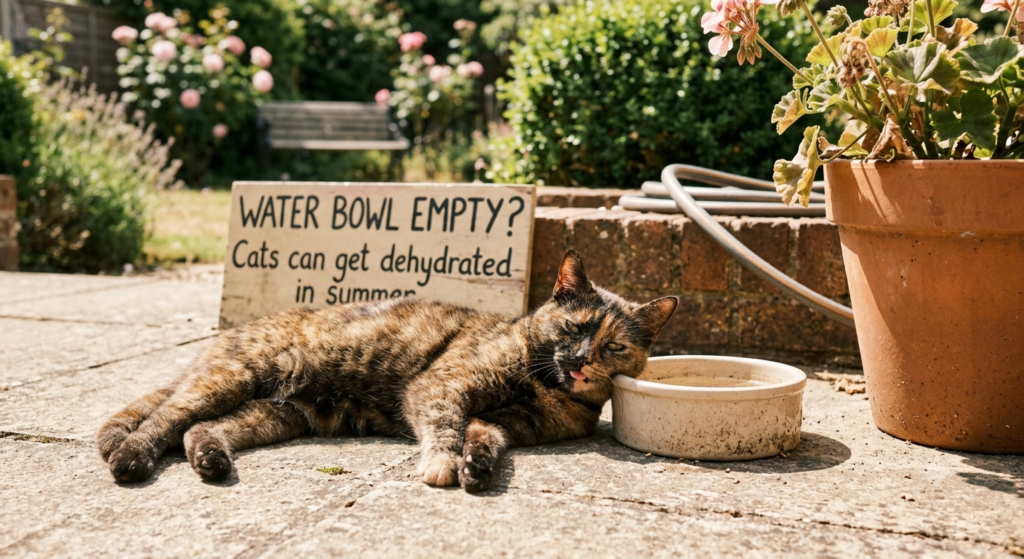
Clean food and water bowls daily
-
Vacuum regularly to remove fur and dander
A clean environment supports a clean pet.
Nutrition Plays a Role in Cleanliness
A balanced diet promotes:
-
Healthy skin and coat
-
Reduced shedding
-
Less odor
Poor-quality food can lead to skin issues and excessive oil buildup.
Grooming Frequency by Pet Type
-
Dogs: Regular brushing, monthly baths, routine nail trims
-
Cats: Brushing, litter box hygiene, occasional baths
-
Small pets (rabbits, guinea pigs): Spot cleaning, brushing
-
Birds: Cage cleaning, mist baths
Each pet has unique hygiene needs.
Signs Your Pet Needs Grooming
Watch for:
-
Strong odors
-
Excessive scratching
-
Greasy or matted fur
-
Dirty ears or teeth
Addressing these signs early prevents bigger health issues.
Final Thoughts
Knowing how to keep pets clean is a key responsibility of every pet owner. With regular grooming, proper bathing, good nutrition, and a clean environment, your pet can stay healthy, comfortable, and happy.
Clean pets are not just better to cuddle—they live better lives.