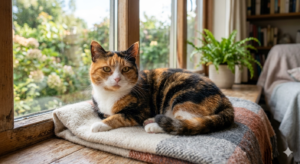


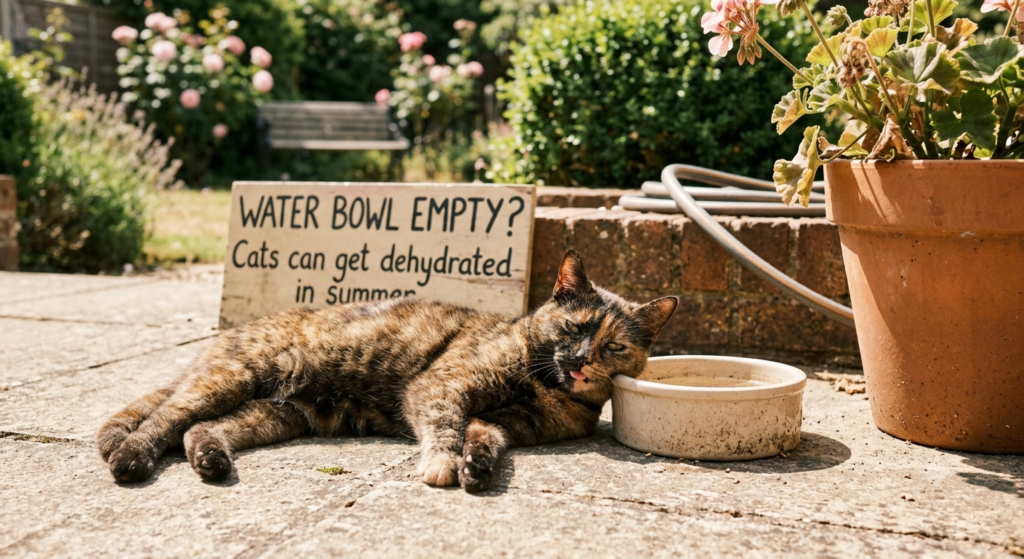
Summer can be tough on pets, especially cats. While felines are known for being independent and low-maintenance, they are surprisingly prone to dehydration during hot weather. Many cats naturally drink less water than they should, and rising temperatures can make the problem worse.
Dehydration in cats is more than just temporary thirst. If ignored, it can lead to serious health issues affecting the kidneys, urinary tract, and overall wellbeing. Understanding the warning signs and knowing how to keep your cat hydrated can help your furry companion stay healthy all summer long.
Why Cats Get Dehydrated in Summer
Cats lose water from their bodies through:
- Panting
- Urination
- Sweating through paw pads
- Grooming
- Heat exposure
During summer, excessive heat increases fluid loss. Indoor cats may also become dehydrated if rooms are poorly ventilated or if clean water is not easily accessible.
Some cats are at a higher risk, including:
- Senior cats
- Kittens
- Cats with kidney disease
- Overweight cats
- Long-haired breeds
Even mild dehydration can affect a cat’s energy and appetite.
Common Signs of Dehydration in Cats
Cats often hide discomfort, so pet owners need to watch carefully for subtle changes.
1. Loss of Energy
A dehydrated cat may appear tired, sluggish, or less playful than usual. They may sleep more and avoid physical activity.
2. Dry Gums and Sticky Mouth
Healthy cat gums should feel moist. Dry or sticky gums can indicate a lack of fluids in the body.
3. Reduced Appetite
Cats experiencing dehydration may lose interest in food. This becomes concerning if they skip multiple meals.
4. Sunken Eyes
In moderate to severe dehydration, the eyes may appear dull or slightly sunken.
5. Skin Elasticity Changes
A simple skin test can help identify dehydration:
- Gently lift the skin between your cat’s shoulders
- Release it carefully
- If the skin returns slowly instead of snapping back quickly, dehydration may be present
6. Panting or Rapid Breathing
Unlike dogs, cats do not usually pant. Excessive panting during summer may signal overheating or dehydration.
How to Prevent Cat Dehydration in Summer
Prevention is always easier than treatment. Small changes at home can make a big difference.
Provide Fresh Water in Multiple Spots
Cats prefer convenience and cleanliness. Place water bowls in several rooms so your cat always has easy access.
Helpful tips include:
- Change water twice daily
- Use wide, shallow bowls
- Keep bowls away from litter boxes
- Add ice cubes during very hot days
Try a Cat Water Fountain
Many cats enjoy moving water because it feels fresher. Pet fountains can encourage cats to drink more throughout the day.
Include Wet Food in Their Diet
Wet cat food contains significantly more moisture than dry kibble. Feeding wet food during summer can help increase fluid intake naturally.
You can also:
- Add a spoonful of water to meals
- Offer low-sodium broth occasionally
- Serve chilled wet food for comfort
Keep Your Home Cool
Cats can struggle in poorly ventilated spaces during heatwaves.
To help your pet stay comfortable:
- Use fans or air conditioning
- Close curtains during peak afternoon heat
- Provide cool resting spots
- Avoid excessive outdoor exposure
Tiles and cooling mats can also help cats regulate body temperature.
Monitor Water Intake
Sudden changes in drinking habits should never be ignored. Both excessive thirst and very low water consumption can indicate underlying health issues.
Track your cat’s behavior during summer, especially if they are older or have existing medical conditions.
When to Visit a Vet
Mild dehydration can sometimes improve with increased fluid intake. However, severe dehydration requires immediate veterinary attention.
Contact a veterinarian if your cat shows:
- Vomiting
- Refusal to eat or drink
- Extreme lethargy
- Difficulty breathing
- Continuous panting
- Weakness or collapse
Quick treatment can prevent complications and restore hydration safely.
Summer Safety Tips for Cat Owners
Here are some quick reminders to protect your cat during hot weather:
- Never leave cats in parked cars
- Ensure constant access to clean water
- Avoid intense play during peak heat hours
- Brush long-haired cats regularly
- Keep litter boxes clean to monitor urination habits
A little extra care during summer can greatly improve your cat’s comfort and health.
Final Thoughts
Cats may appear resilient, but dehydration can become dangerous very quickly during summer. Paying attention to small behavioral changes, encouraging regular water intake, and keeping your home cool are essential steps for protecting your pet.
By staying alert to the signs of dehydration and taking preventive measures early, you can help your cat enjoy a safe, happy, and healthy summer season.