

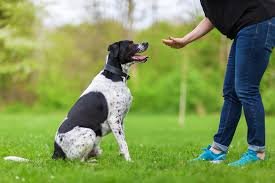
Training your dog doesn’t require expensive classes or professional trainers. With patience, consistency, and the right approach, dog training at home can be just as effective. Whether you have a puppy or an adult dog, home training helps build good behavior while strengthening your bond.
In this guide, you’ll learn the best at-home dog training tips to raise a well-behaved and confident dog.
Why Dog Training at Home Works
Home is where your dog feels most comfortable. Training in a familiar environment reduces stress and allows your dog to learn at their own pace. It also helps reinforce good behavior in real-life situations.
How to Start Dog Training at Home
1. Create a Training Routine
Dogs thrive on routine. Set a consistent training schedule and practice commands at the same time each day.
2. Use Positive Reinforcement
Reward good behavior with treats, praise, or affection. Positive reinforcement encourages your dog to repeat desired actions.
3. Start with Basic Commands
Begin with simple obedience commands before moving to advanced training.
Basic commands to teach at home:
- Sit
- Stay
- Come
- Down
- Leave it
4. Keep Training Sessions Short
Short training sessions are more effective than long ones. Aim for 5–15 minutes per session, once or twice a day.
Dog Training at Home for Puppies
Puppies learn quickly but have short attention spans. Start early and keep sessions fun and gentle.
Puppy home training tips:
- Use soft treats
- Practice one command at a time
- Be patient and consistent
SEO keywords: puppy training at home, dog training at home for puppies
Dog Training at Home for Adult Dogs
Adult dogs can still learn new behaviors. Focus on consistency and reward progress, even if it’s slow at first.
Fixing Common Behavior Problems at Home
5. Stop Jumping
Ignore jumping behavior and reward your dog when all four paws are on the ground.
6. Reduce Excessive Barking
Identify the cause of barking and redirect your dog’s attention with commands or toys.
7. Prevent Chewing
Provide chew toys and redirect your dog away from furniture or shoes.
Common Mistakes to Avoid
- Inconsistent rules
- Training when your dog is tired or distracted
- Using punishment instead of guidance
- Expecting instant results
Patience is essential for successful dog training at home.
Final Thoughts
Training your dog at home is affordable, effective, and rewarding. With consistency, positive reinforcement, and daily practice, your dog will develop good habits that last a lifetime.