


If you share your home with a cat, you’ve probably wondered how many years of companionship you can expect. The good news is that indoor cats tend to live significantly longer than their outdoor counterparts. With proper care, love, and attention, your feline friend can enjoy a long, healthy life by your side.
Average Indoor Cat Lifespan
Indoor cats typically live between 12 to 18 years, though many reach their early 20s. Some exceptional cases even surpass that milestone with the right lifestyle and genetics.
Compared to outdoor cats—who often face dangers like traffic, predators, and disease—indoor cats benefit from a safer, more controlled environment.
Factors That Influence Indoor Cat Lifespan
Several elements play a role in determining how long your cat will live:
- Genetics
Some breeds are naturally predisposed to longer lives, while others may have hereditary health issues. - Diet and Nutrition
A balanced, high-quality diet helps maintain optimal weight and prevents diseases. - Veterinary Care
Regular check-ups, vaccinations, and early detection of health issues are crucial. - Exercise and Mental Stimulation
Active cats with enriched environments tend to stay healthier and happier. - Spaying or Neutering
This can reduce the risk of certain cancers and behavioral issues.
How to Increase Your Indoor Cat’s Lifespan
Want to help your cat live a longer life? Here are some proven ways to support their health:
- Feed a Nutrient-Rich Diet
- Choose high-protein, species-appropriate food
- Avoid overfeeding to prevent obesity
- Schedule Routine Vet Visits
- Annual or biannual health check-ups
- Dental care and parasite prevention
- Encourage Daily Play
- Use toys like feather wands and laser pointers
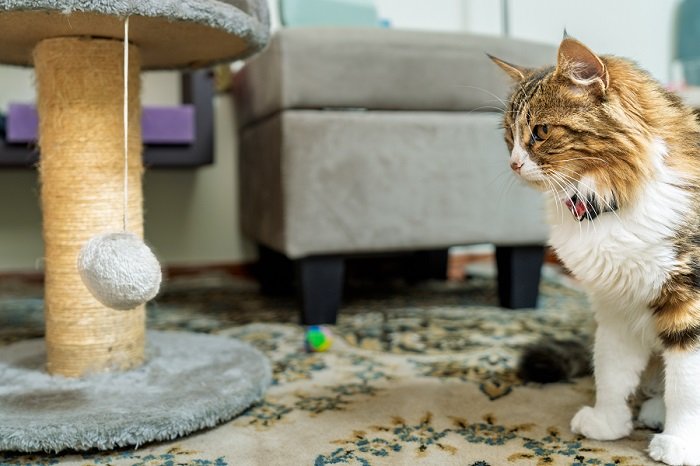
- Create climbing spaces or cat trees
- Maintain a Clean Living Environment
- Regularly clean litter boxes
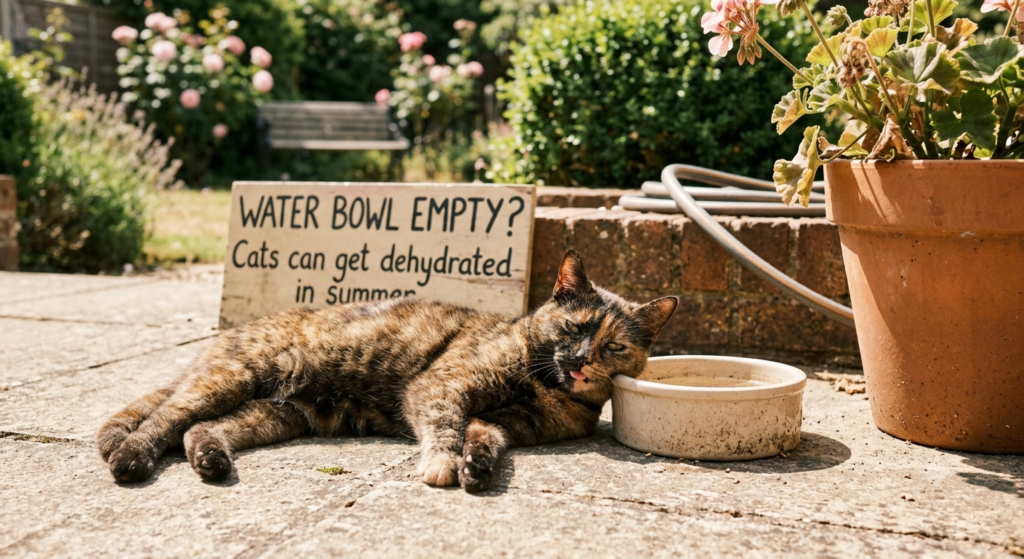
- Provide fresh water and hygienic feeding areas
- Reduce Stress
- Keep a consistent routine
- Provide safe hiding spots and quiet areas
Signs of a Healthy Indoor Cat
Monitoring your cat’s health can help catch issues early. A healthy indoor cat usually shows:
- Bright, clear eyes
- A shiny, smooth coat
- Healthy appetite and stable weight
- Regular grooming habits
- Active and curious behavior
Common Health Issues in Indoor Cats
Even indoor cats are not immune to health problems. Some common concerns include:
- Obesity – Due to lack of activity or overfeeding
- Dental Disease – Often overlooked but very common
- Kidney Disease – Especially in older cats
- Diabetes – Linked to weight and diet
Early detection and preventive care can make a huge difference in managing these conditions.
Indoor vs Outdoor Cats: Why It Matters
Keeping your cat indoors significantly reduces exposure to:
- Road accidents
- Infectious diseases
- Parasites like fleas and ticks
- Fights with other animals
While outdoor cats may experience more stimulation, indoor cats can live just as fulfilling lives with proper enrichment.
Enrichment Ideas for Indoor Cats
To keep your cat mentally and physically engaged:
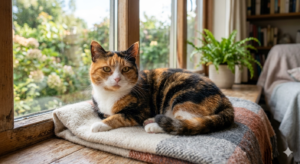
- Install window perches for bird watching
- Rotate toys to keep things interesting
- Use puzzle feeders to challenge their mind
- Set up vertical spaces like shelves or towers
Final Thoughts
The lifespan of an indoor cat depends largely on the care you provide. By focusing on nutrition, regular veterinary visits, and a stimulating environment, you can give your cat the best chance at a long and joyful life.
Your feline companion isn’t just a pet—they’re family. Investing in their well-being means more years of purrs, cuddles, and unforgettable moments together.